
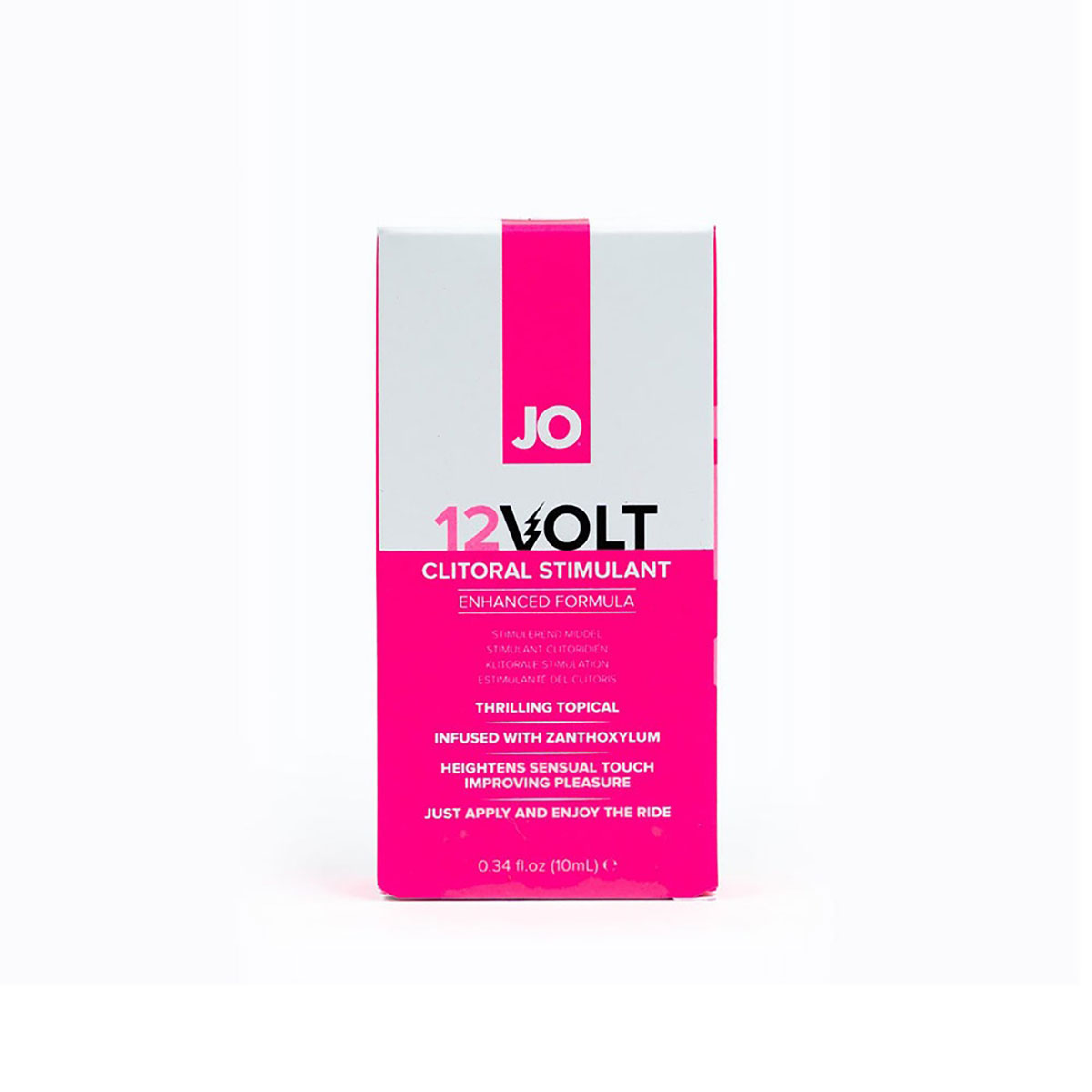
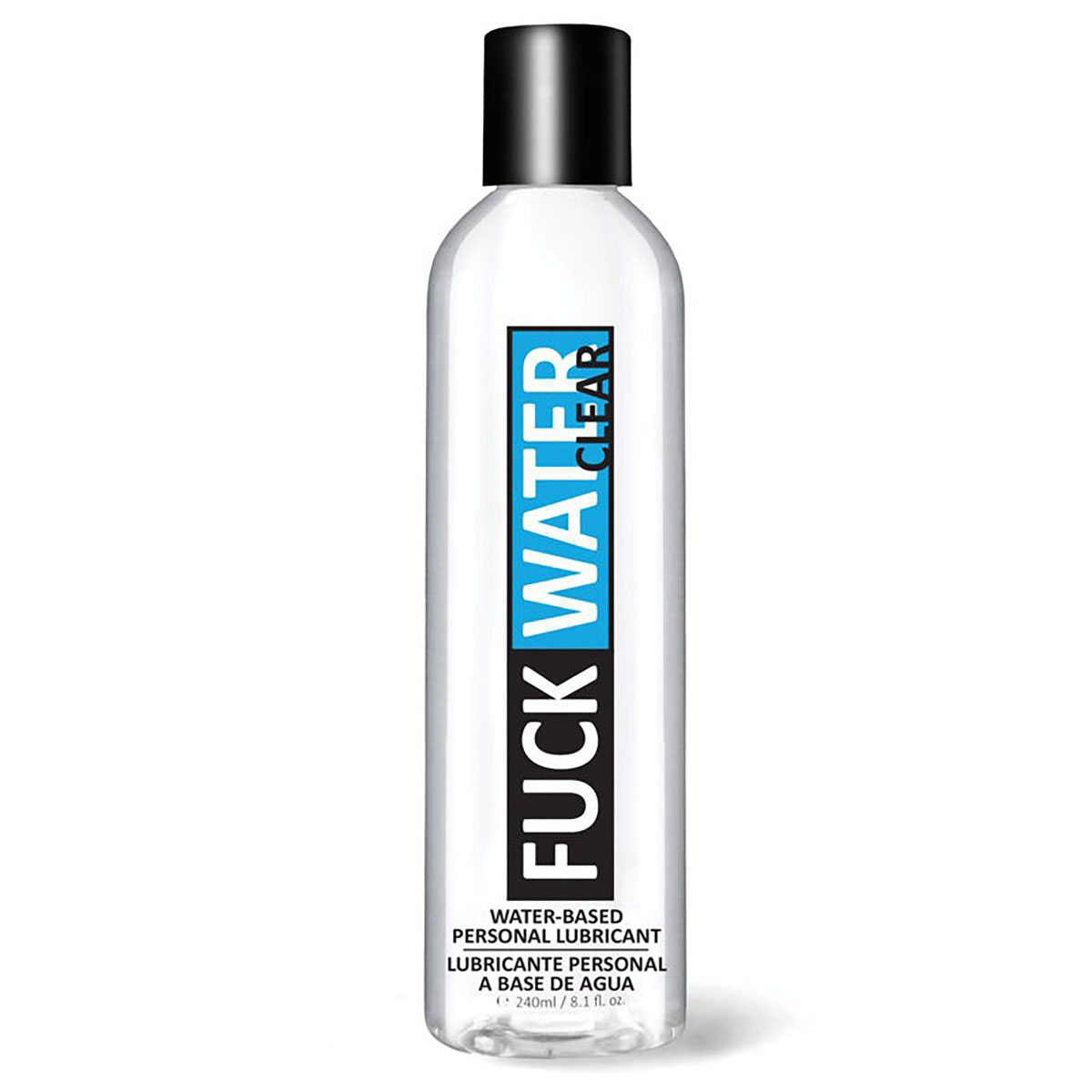
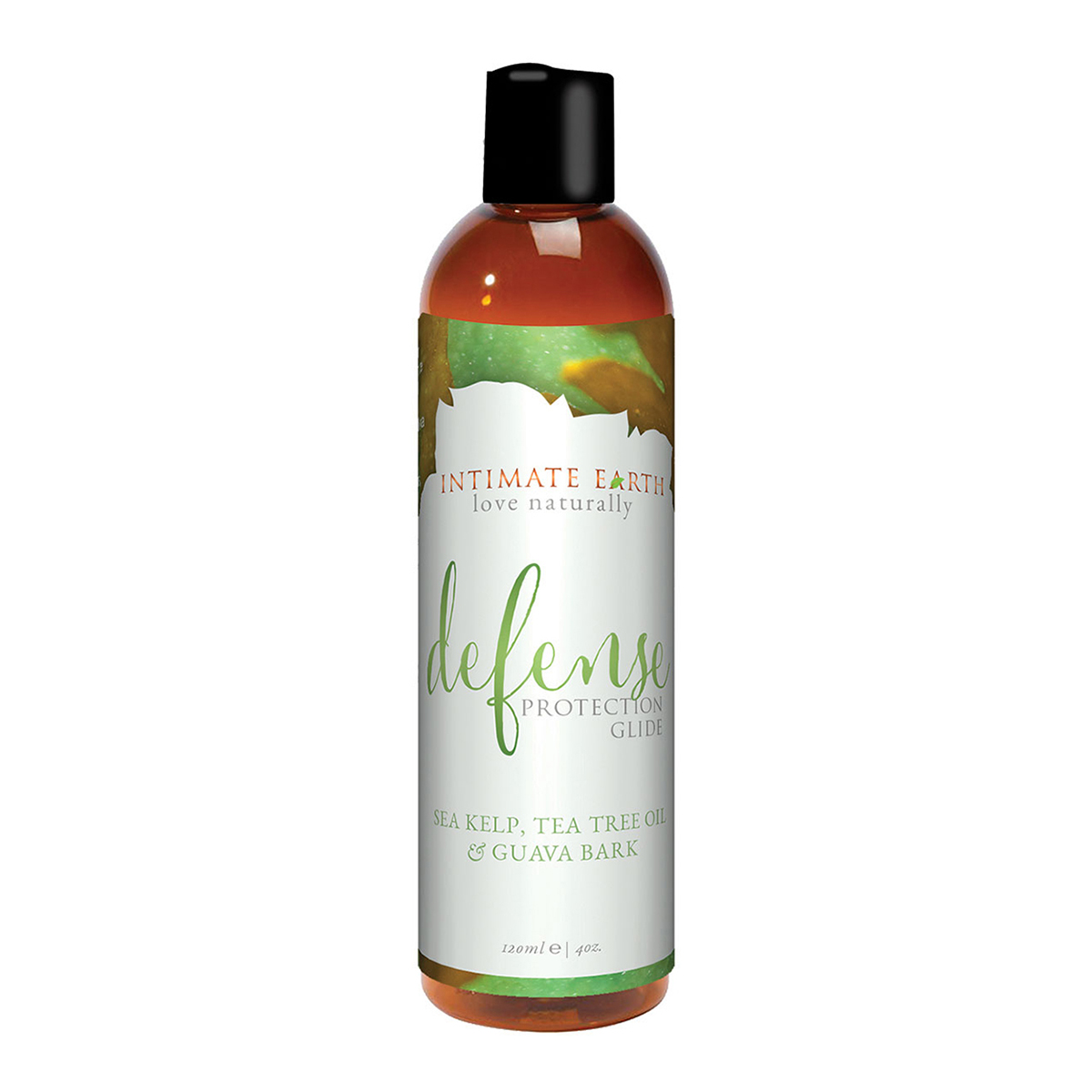











Lube Guide

Sex Lube Buying Guide
Sex lube can make touch, penetration and toy play feel smoother by reducing unwanted friction. The right lubricant may help movement feel more comfortable, keep longer sessions flowing and make it easier to focus on pleasure instead of resistance or repeated interruptions.
There is no single formula that works best for every body or activity. Some shoppers want a versatile everyday lube, while others need longer-lasting glide, thicker anal support, a flavored option or a formula that better fits their ingredient preferences. Use this guide to compare lubes, understand compatibility and choose the sex lubricant that fits how you plan to use it.
What Is Sex Lube?
Sex lube, also called sexual lubricant or personal lubricant, is designed to reduce friction during intimate activities. Lubricants may be used during solo play, partner play, vaginal penetration, anal play, oral play, massage or sex-toy use, depending on the individual product’s directions.
People use sex lubricants for many reasons. A person may want additional glide even when their body produces natural lubrication. Stress, hydration, hormones, medications, fatigue and changes in arousal can also affect how comfortable an activity feels from one occasion to another.
Lube should not be treated as evidence that something is wrong or that the body has failed to respond correctly. It is simply another tool for adjusting comfort, glide and sensation according to what feels best in the moment.
Browse the broader Sex Toys department to compare lubricants with the toys, accessories and intimate products they may be used alongside.
What Are the Main Types of Lube?

Water-Based Lube
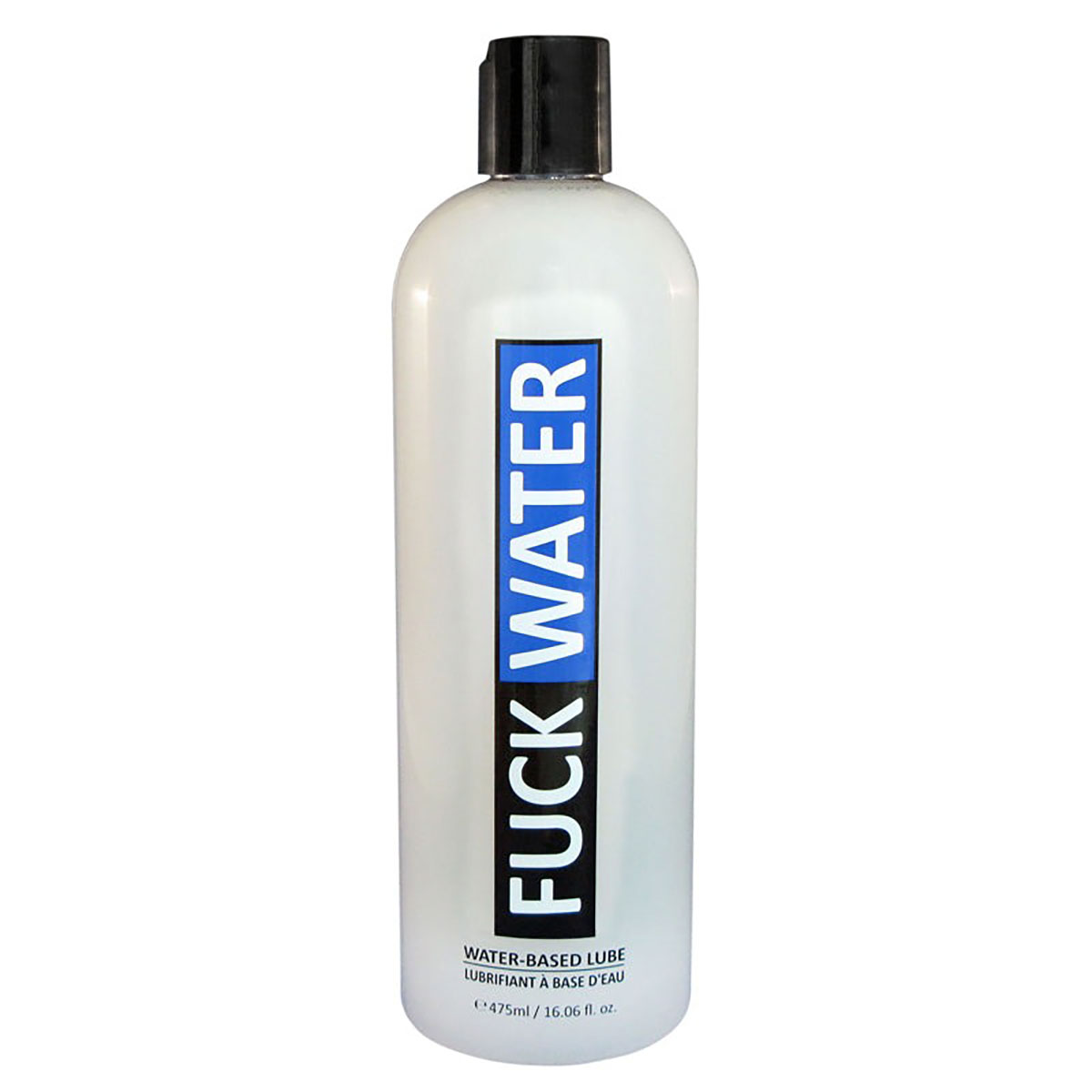
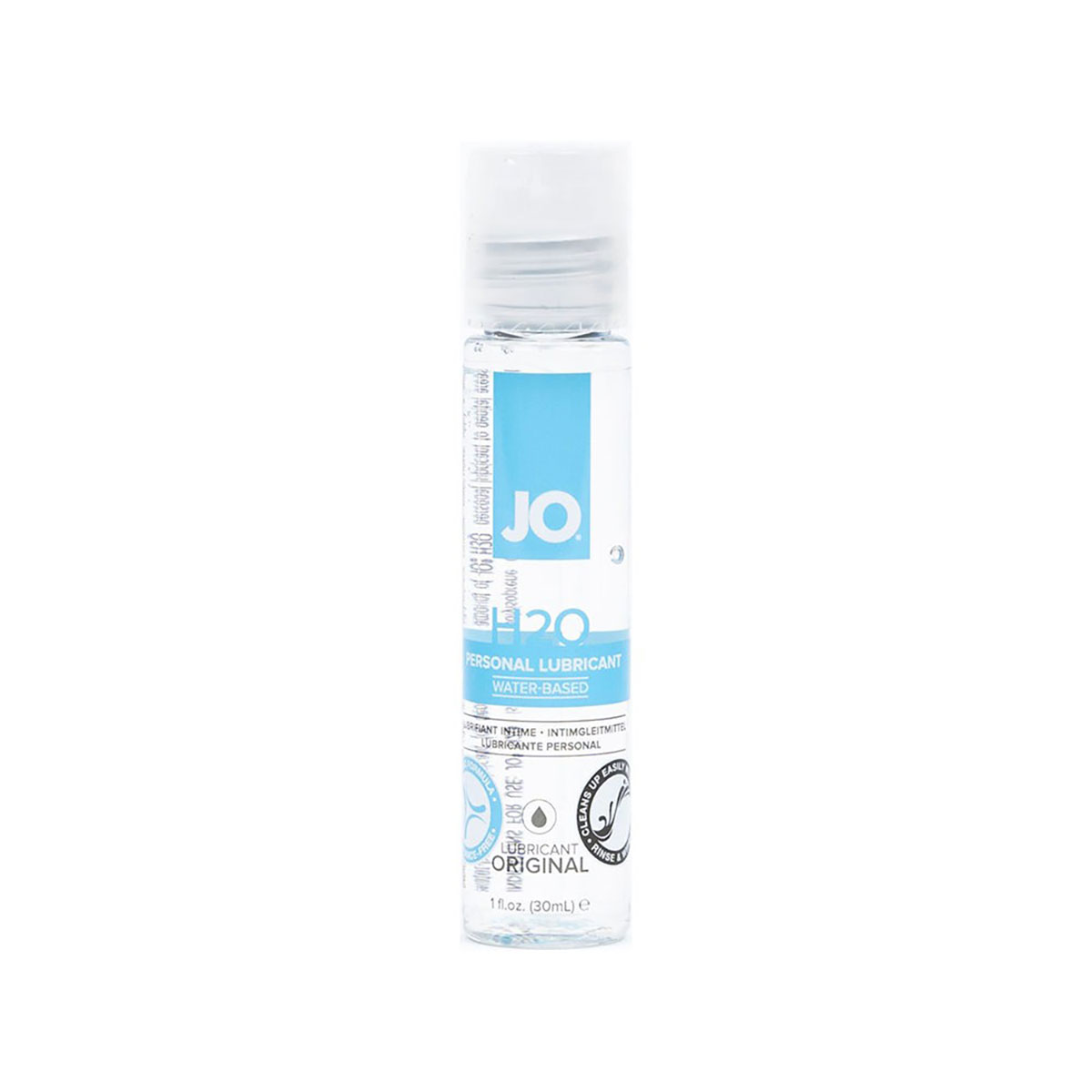
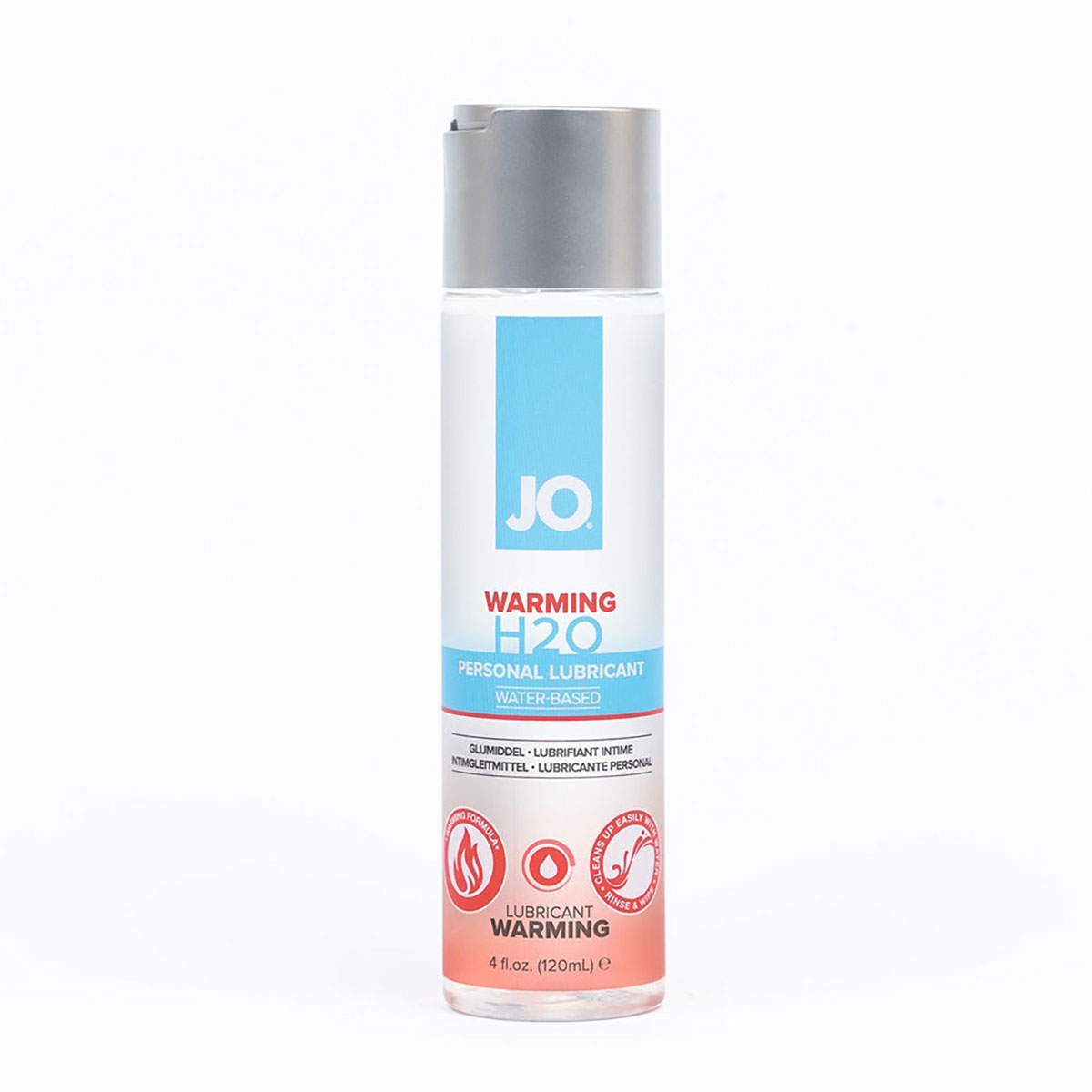
Water-Based Lube is a versatile starting point for many shoppers. These formulas are commonly selected for their lighter texture, easier cleanup and broad usefulness across solo, partner and toy play.
Water-based lubes may need to be reapplied during longer sessions. Compatibility can still vary by product, so check the lubricant label, condom packaging and toy-care instructions before use.

Silicone Lube
Silicone Lube is commonly chosen when longer-lasting glide matters. It generally does not dry as quickly as a water-based formula and may require less frequent reapplication.
Silicone lubricants should not automatically be paired with every silicone toy. Some combinations may affect the toy’s surface. Review both manufacturers’ instructions and test the combination on a small, inconspicuous part of the toy when appropriate.

Hybrid Lube
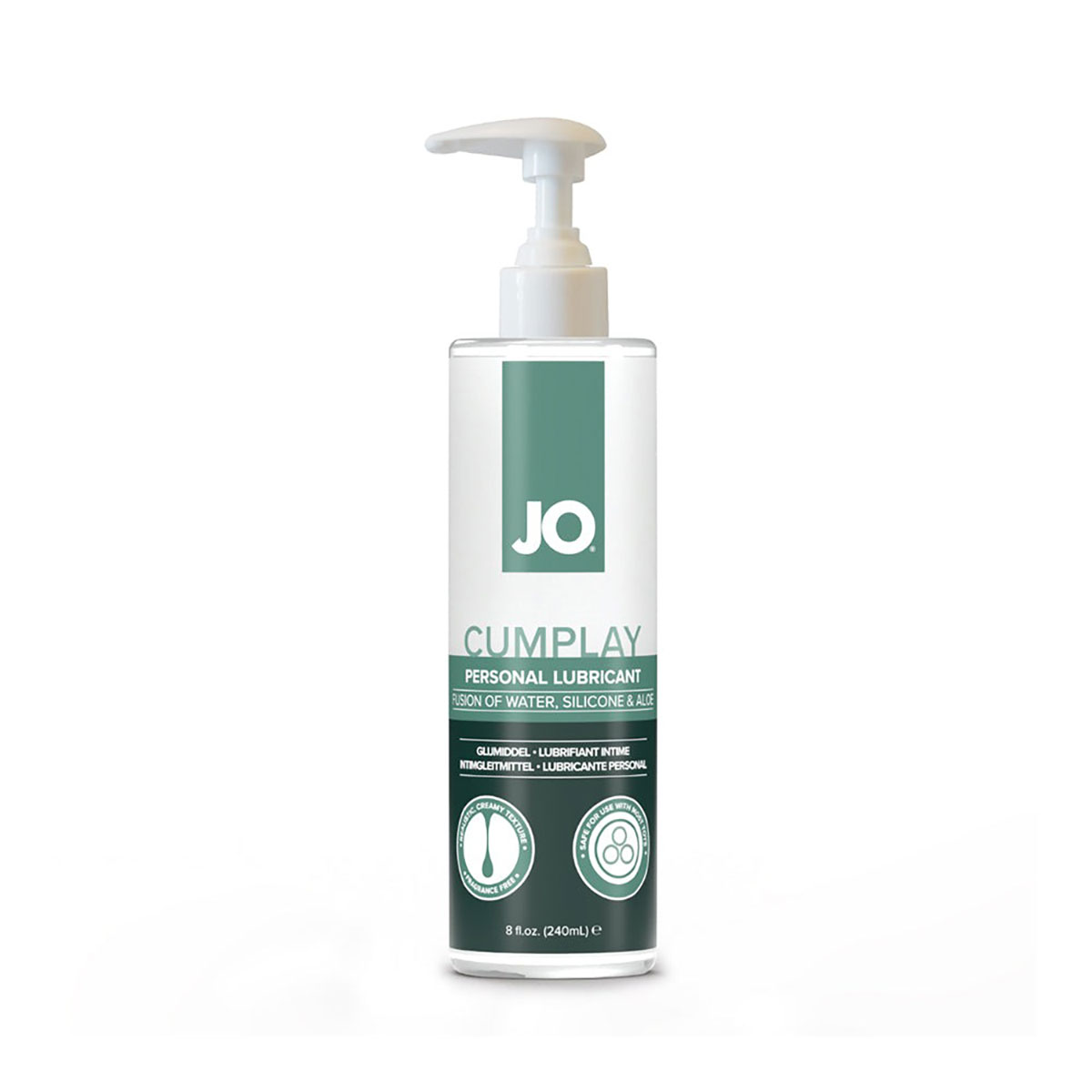
Hybrid lubes combine water-based ingredients with a smaller amount of silicone. They are intended to provide more staying power than a traditional water-based lubricant while remaining lighter than many full-silicone formulas.
Because hybrid lubricants may contain silicone, check toy-material compatibility instead of assuming that every hybrid formula is appropriate for every silicone toy.

Oil-Based Lube
Oil-based lubricants can provide rich, longer-lasting glide for massage, external touch and other activities permitted by the individual product’s directions.
Oil-based formulas are commonly incompatible with latex condoms and certain other barriers. Check the instructions for the lubricant, barrier and toy before combining them.

Anal Lube
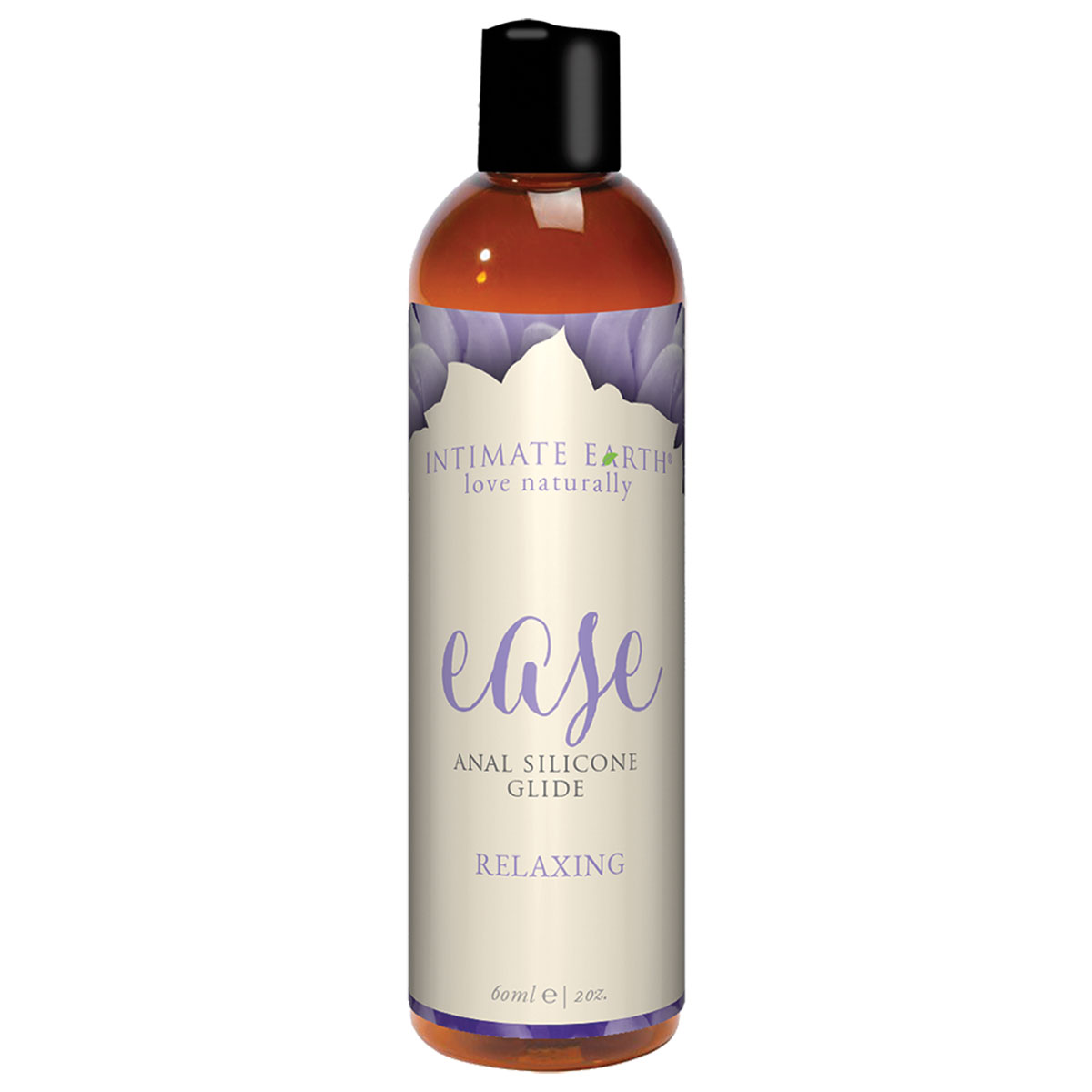
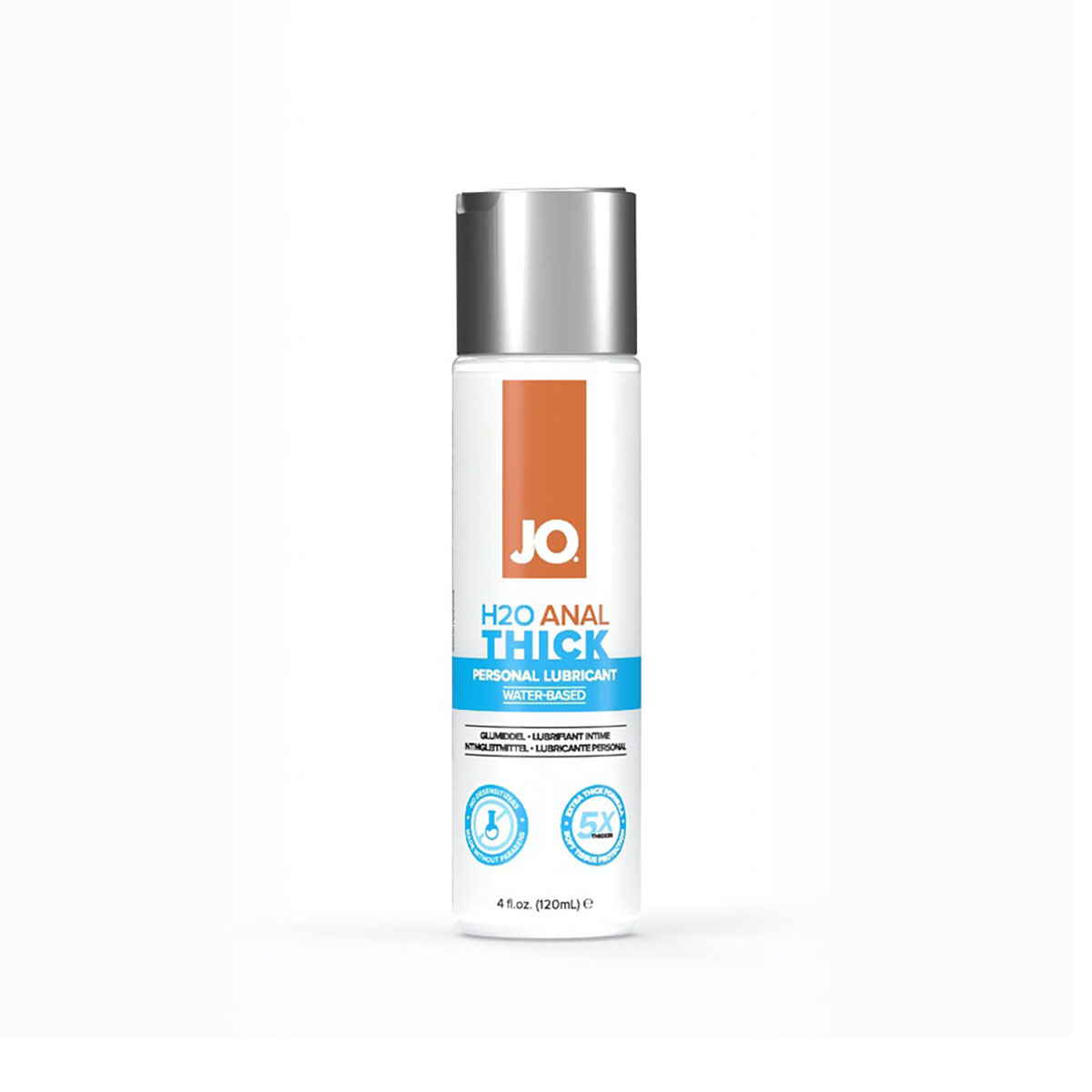
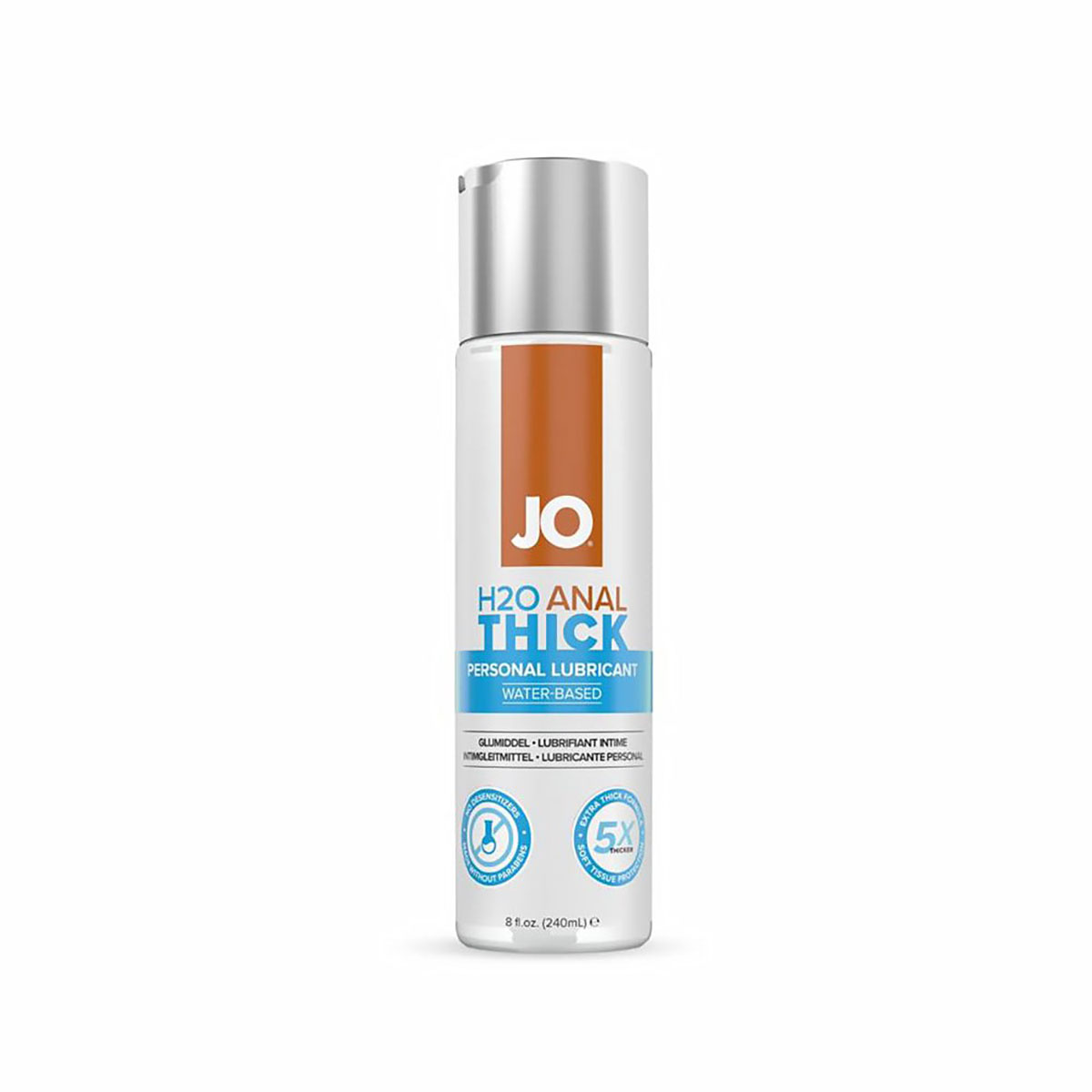
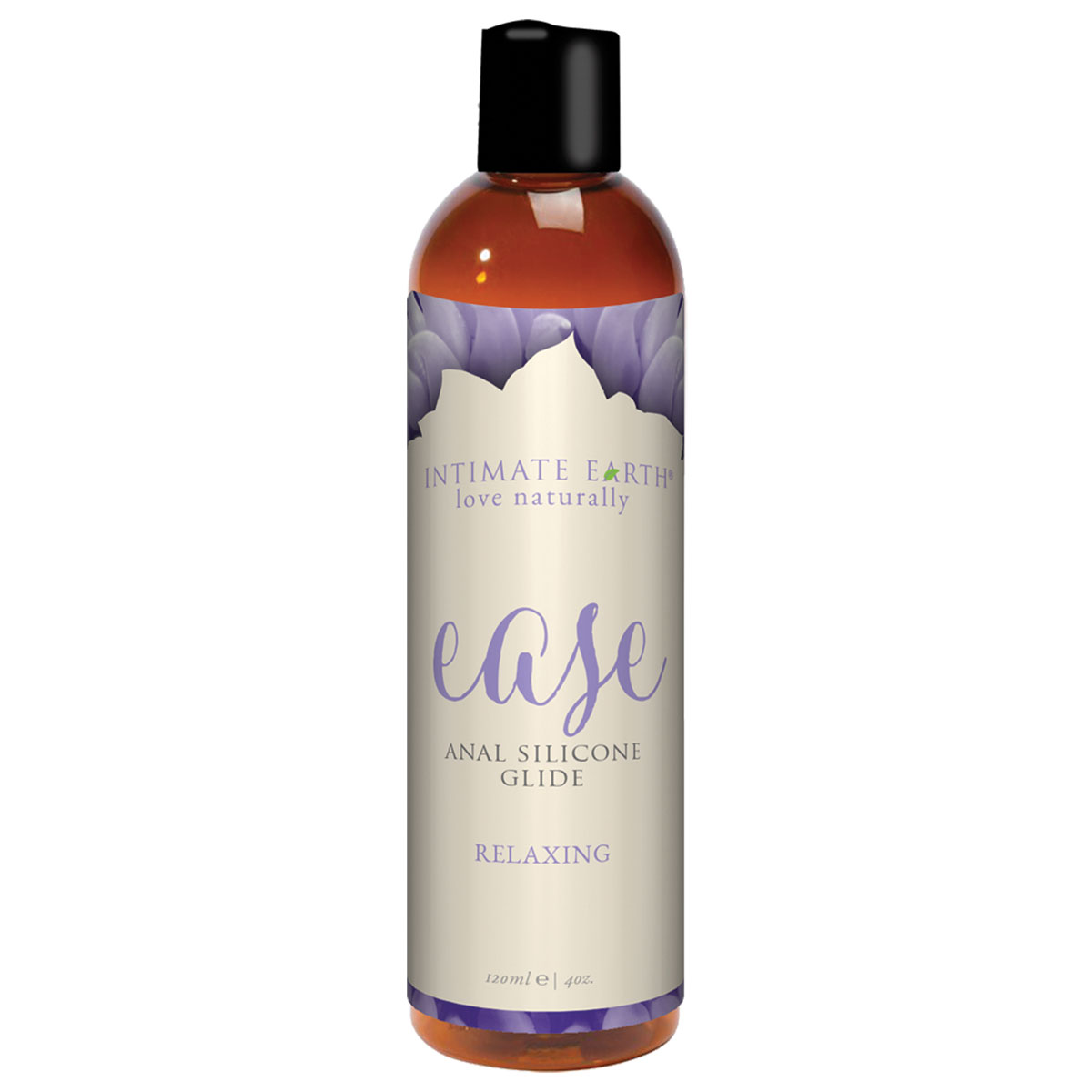
Anal Lube narrows the collection toward formulas intended to provide more cushioning, lasting glide or activity-specific support during anal play.
Do not assume that every thick or silicone-based lubricant is automatically intended for anal use. Review the product label and directions before purchasing.

Flavored Lube
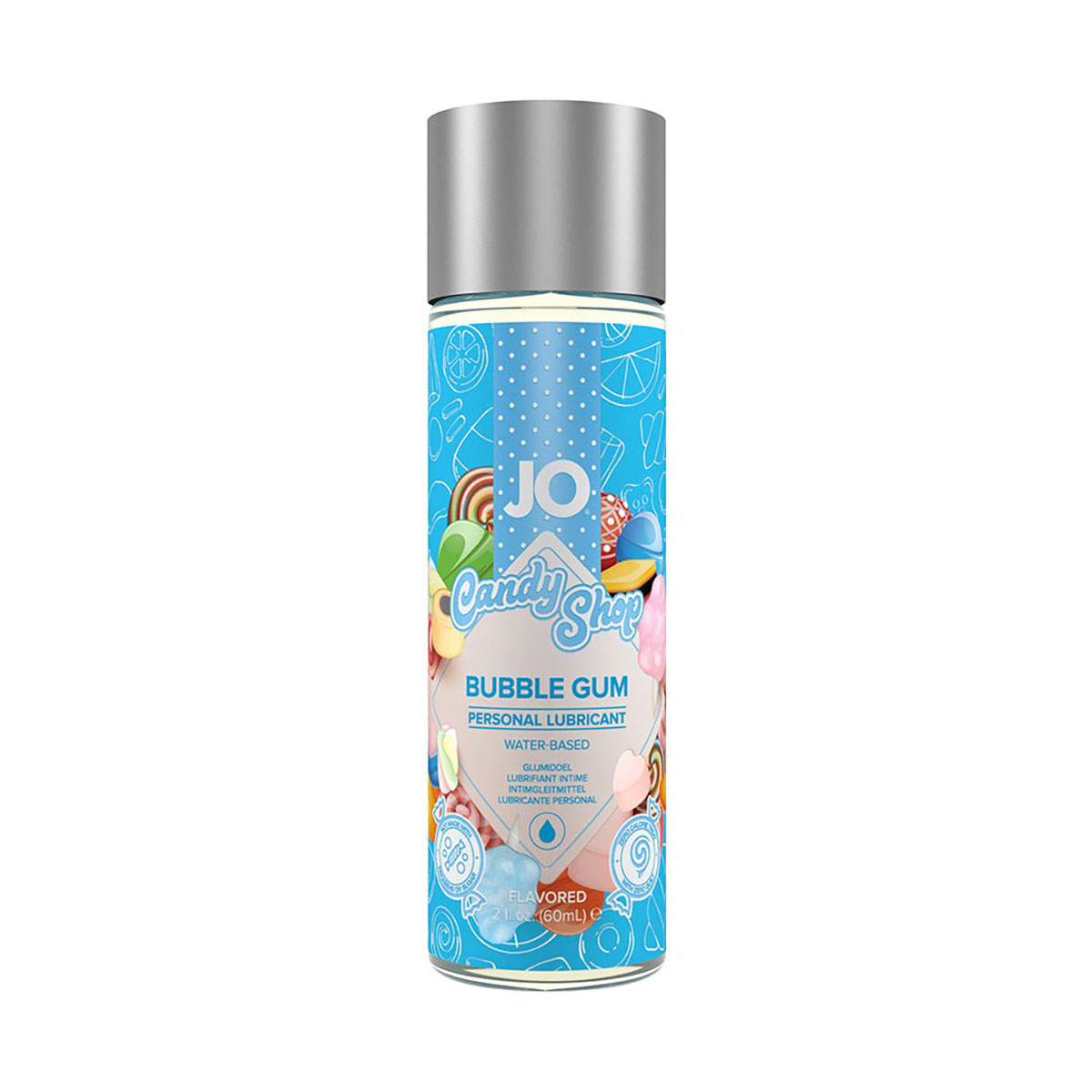
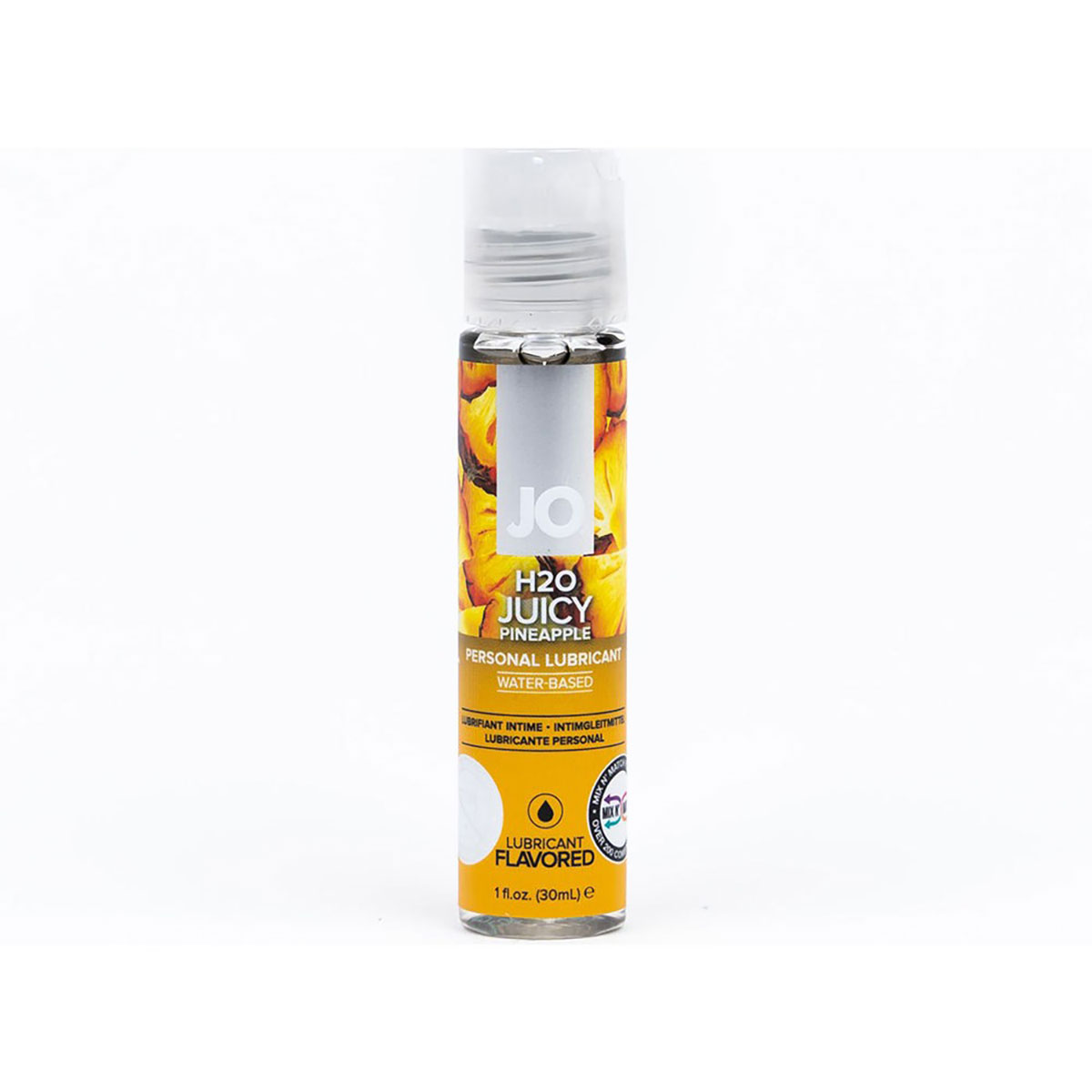
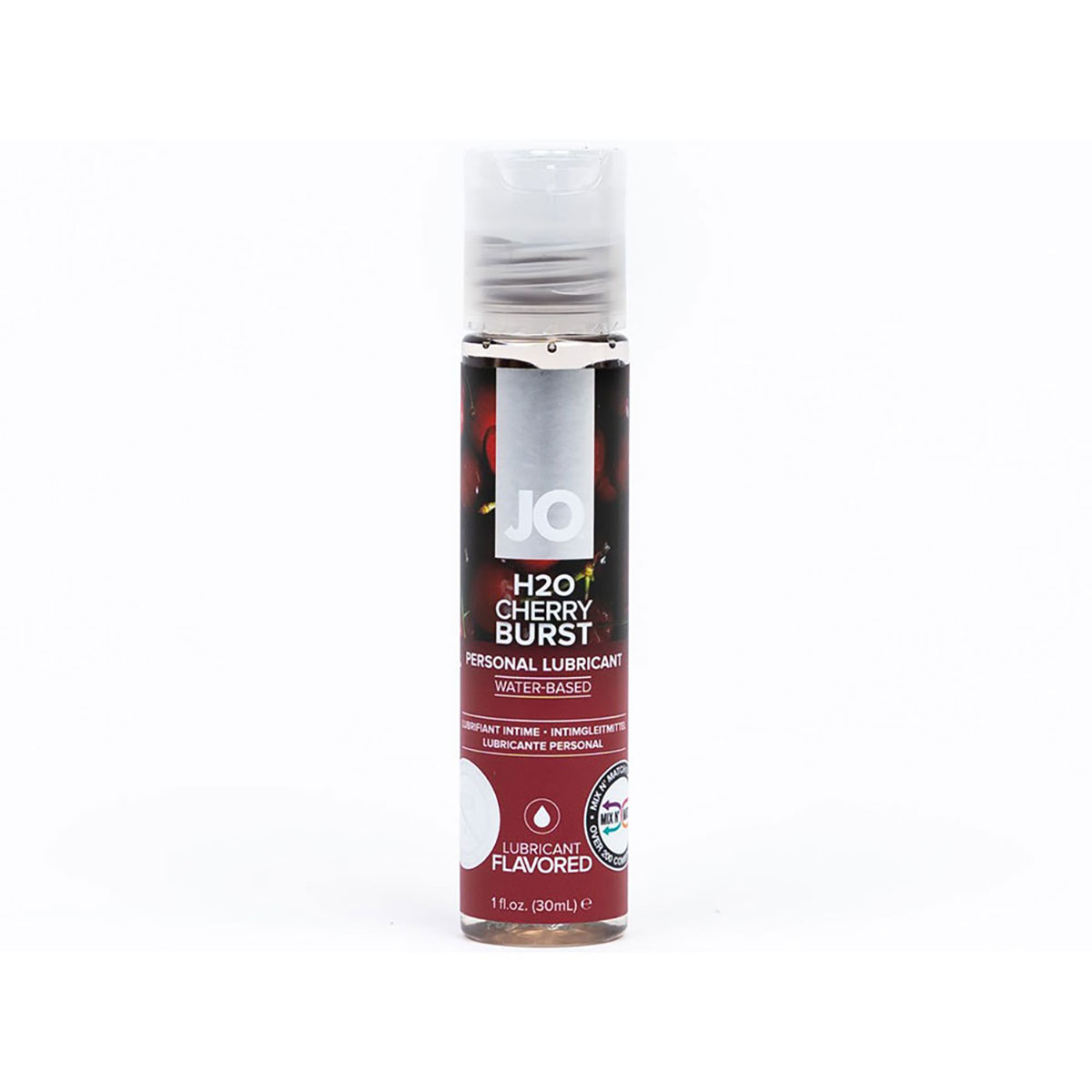
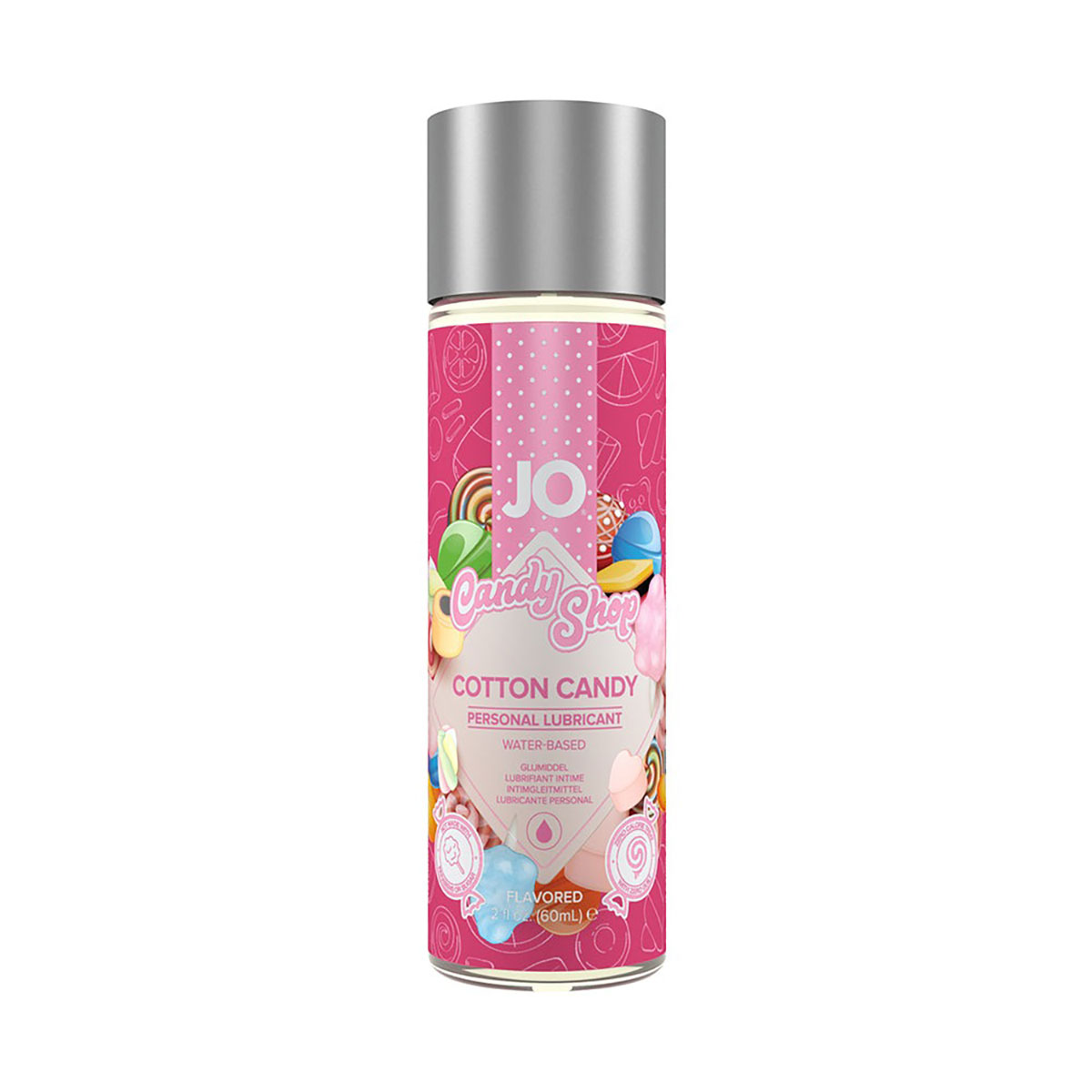
Flavored Lube can make oral play feel more playful while still providing lubrication. Only use a formula orally when the product is specifically labeled for that purpose.
Ingredient- and Values-Focused Lubes
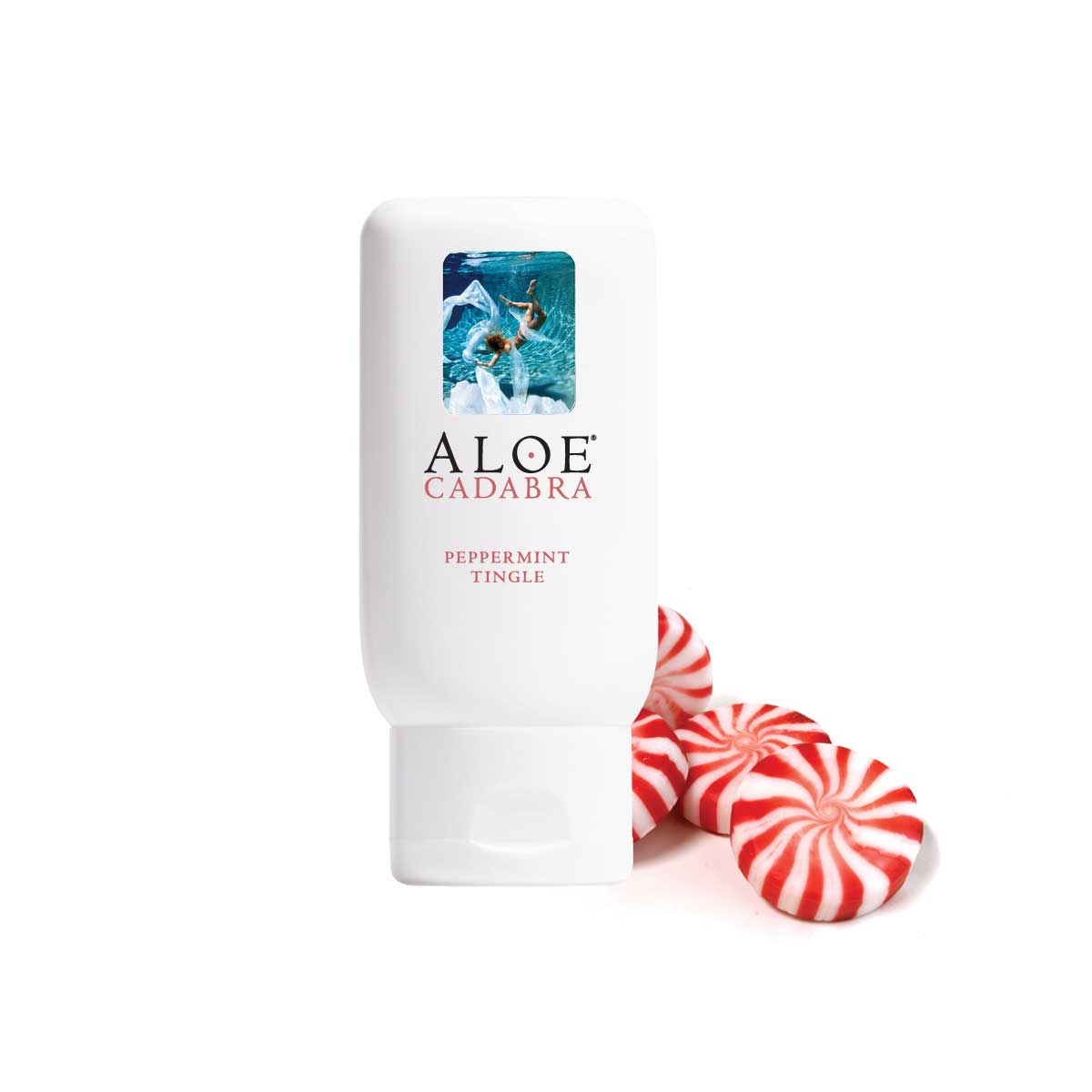
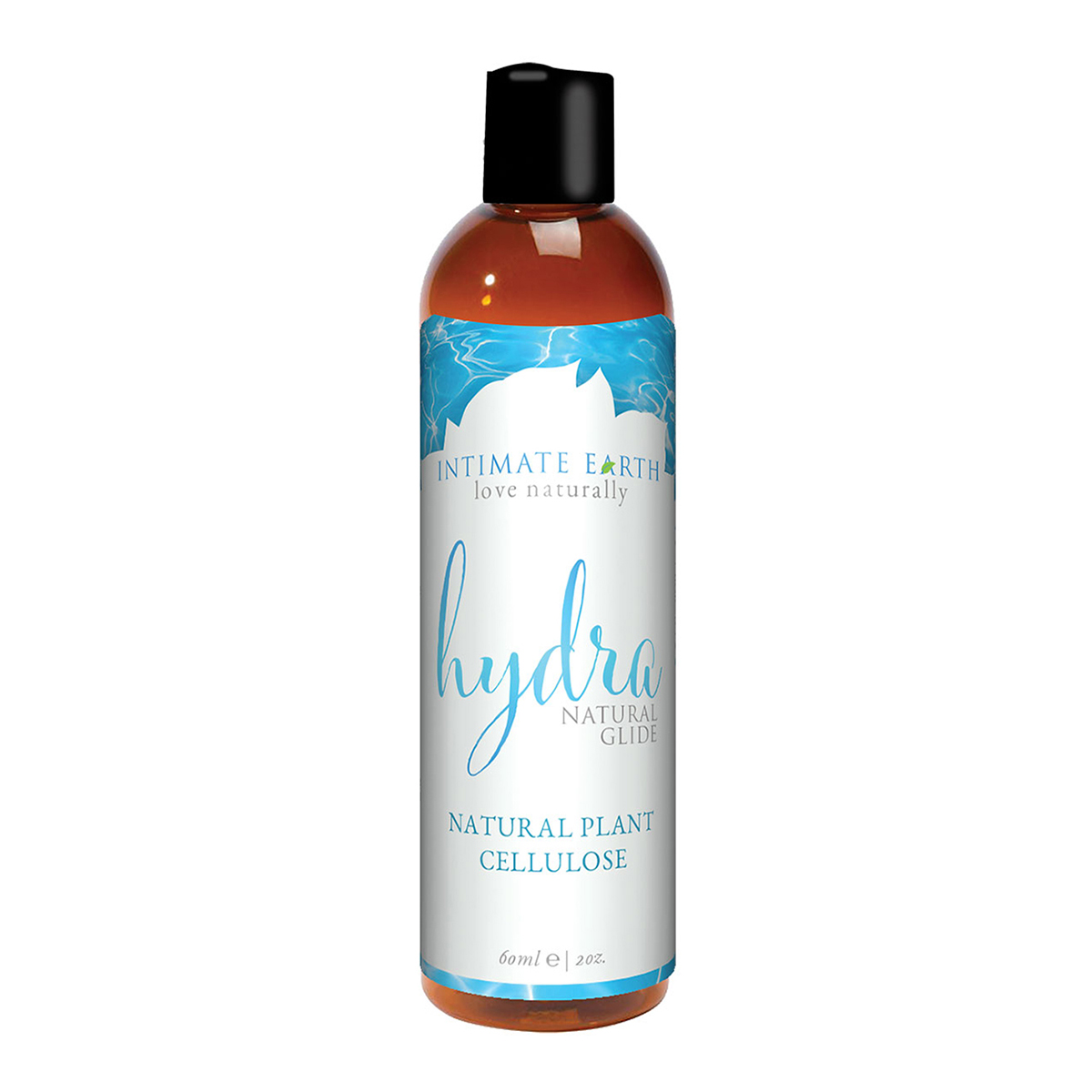
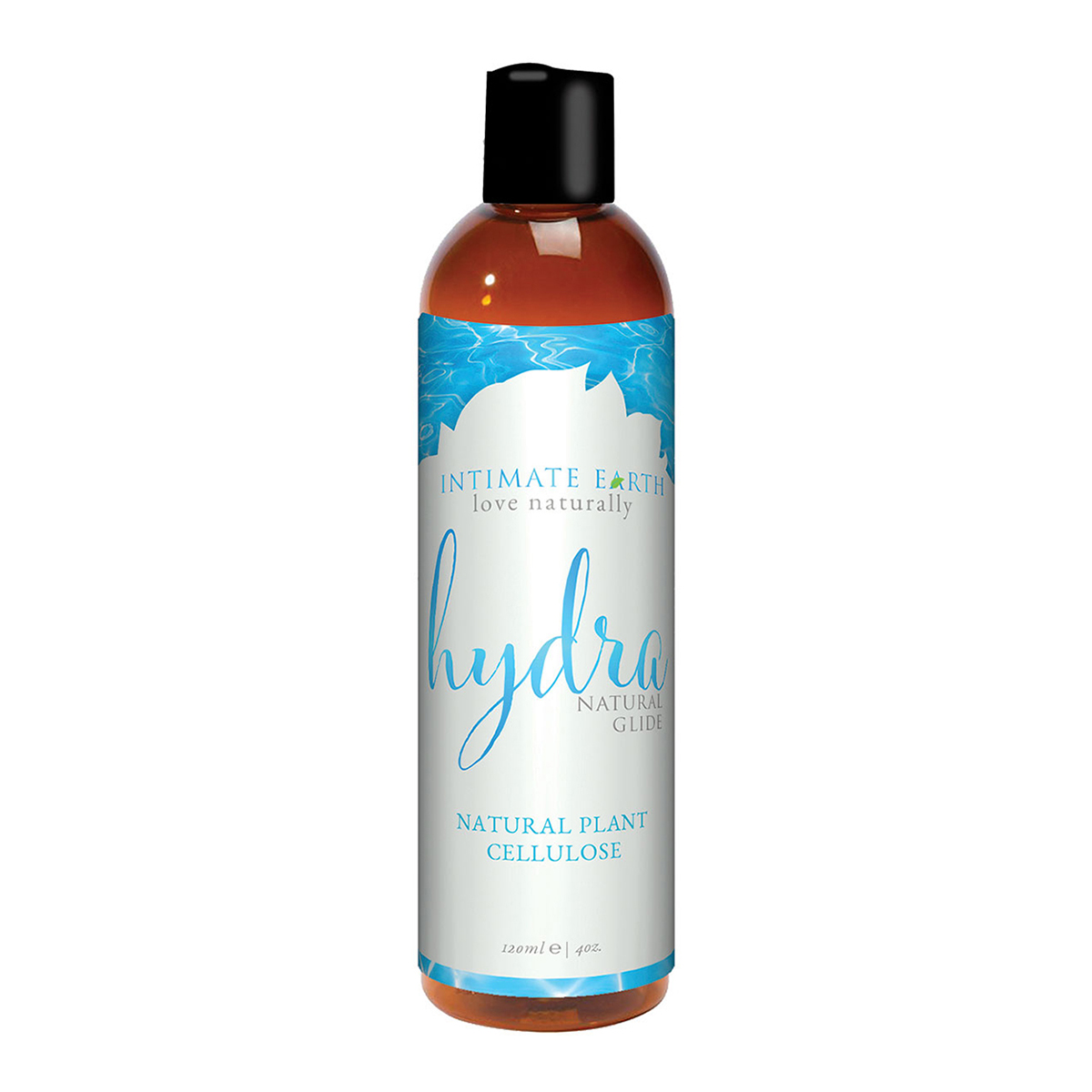
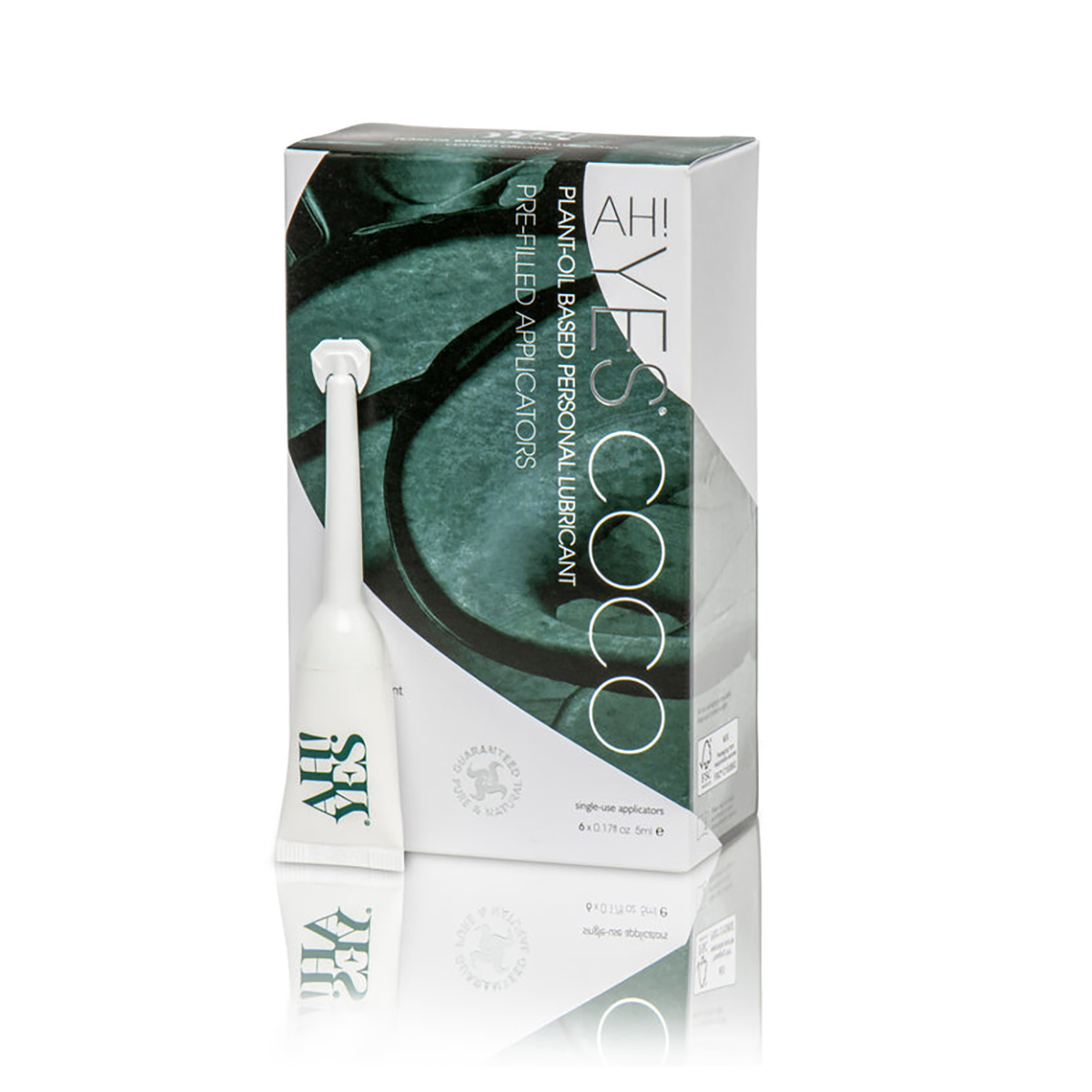
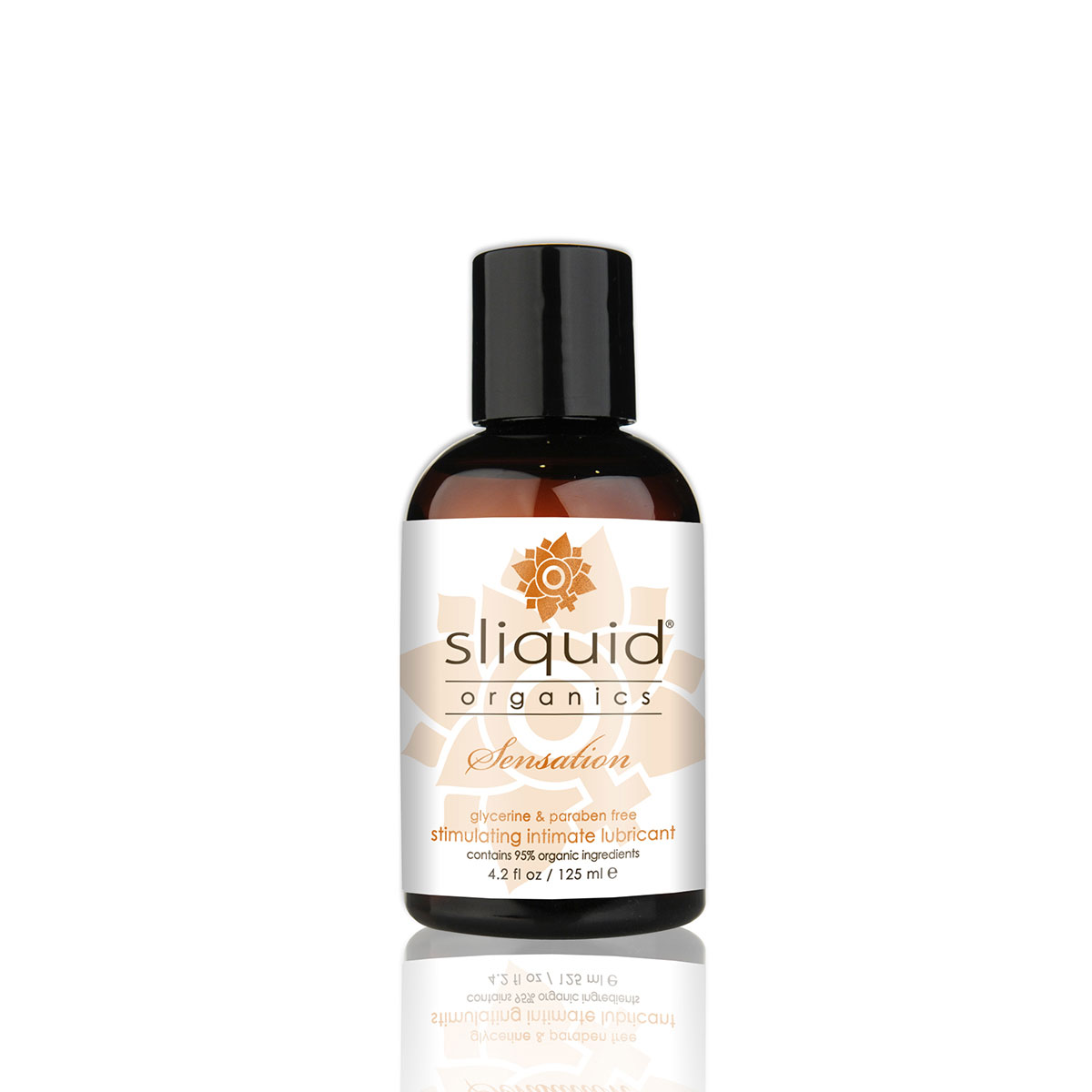
Shoppers who prioritize particular ingredients or purchasing standards can compare Organic Lube, Plant-Based Lube and Vegan Lube.
These terms do not necessarily mean the same thing. Review the ingredient list and specific certifications or manufacturer claims instead of relying only on the department name.
How Do You Choose the Right Lubricant?
The best lube is the formula that matches the activity, products and personal preferences involved. Begin by deciding what you want the lubricant to do.
- Everyday versatility: Compare water-based lubes.
- Longer-lasting glide: Compare silicone and hybrid lubricants.
- Anal play: Start with products specifically labeled as anal lubes.
- Oral play: Choose a flavored or unflavored lubricant labeled for oral use.
- Sex-toy use: Confirm compatibility with the toy’s material.
- Condom or barrier use: Check both sets of product instructions.
- Sensitive skin: Review the complete ingredient list and avoid known personal irritants.
- Easy cleanup: Consider how the formula rinses from skin, toys and fabrics.
The Best Lube department can help narrow popular choices, but no ranking or recommendation replaces checking the product’s ingredients, intended use and compatibility.
Which Lubes Fit Different Activities?
Lube for Solo Play
During solo play, a lubricant can reduce drag from hands or toys and make it easier to experiment with pressure, pacing and movement. Many people begin with water-based lube because it provides a straightforward introduction and is commonly used with a wide range of products.
Lube for Partner Play
During partnered intimacy, lube can make movement feel smoother and help both partners remain focused on comfort and communication. Keep the bottle within reach so more can be added whenever either person wants it.
Lube for Vaginal Penetration
Water-based, silicone and hybrid lubes may all be considered for vaginal penetration, depending on personal preference and compatibility with any condom, barrier or toy being used.
Stop using a product if it causes burning, itching, irritation or discomfort.
Lube for Oral Play
Use only a lubricant specifically labeled for oral use. Flavored lubes can add taste, but shoppers should still review ingredients, sweeteners and directions before purchasing.
Lube for Anal Play
Anal play generally requires generous lubrication and careful attention to comfort. Choose a product labeled for anal use and reapply whenever glide decreases.
Lube reduces friction, but it does not make pain something to push through. Slow down or stop when an activity becomes painful.
Lube for Massage and External Touch
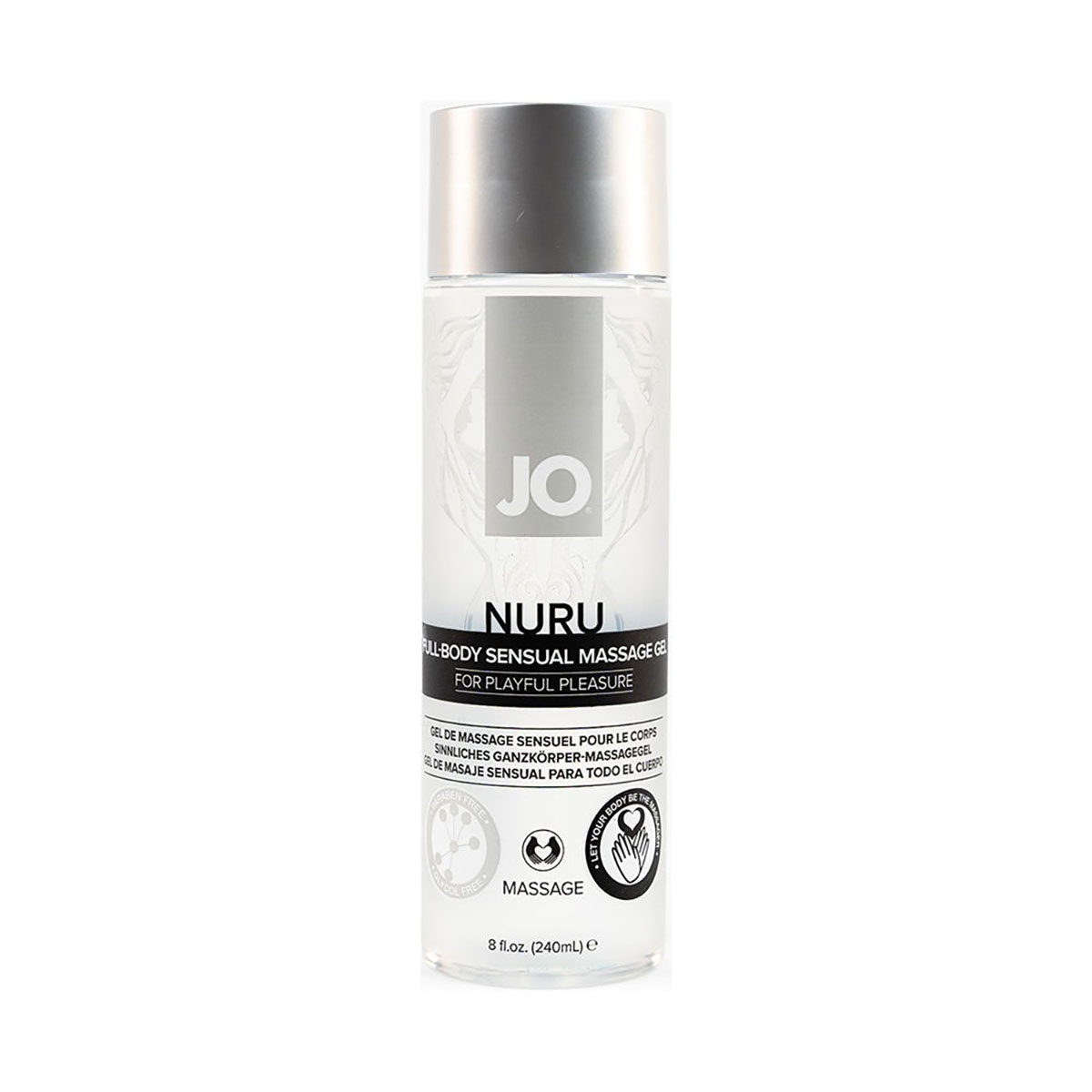
Some lubes and intimate oils are formulated for massage or external touch. Confirm where the product may be used and whether it is compatible with condoms, toys and genital contact before moving from massage into another activity.
How Do You Use Lube With Sex Toys?
Lube can improve glide and reduce unwanted friction when using insertable or external sex toys. The key is matching the lubricant to the toy’s material and intended use.
When shopping for powered toys, visit the Vibrators department. For insertable products centered more on shape, fullness and manual movement, explore the Dildos department.
- Read the toy manufacturer’s lubrication recommendations.
- Confirm that the lube is appropriate for the toy material.
- Apply a small amount to the body and toy, then add more as needed.
- Keep lubricant away from charging ports, battery compartments and unsealed electronics.
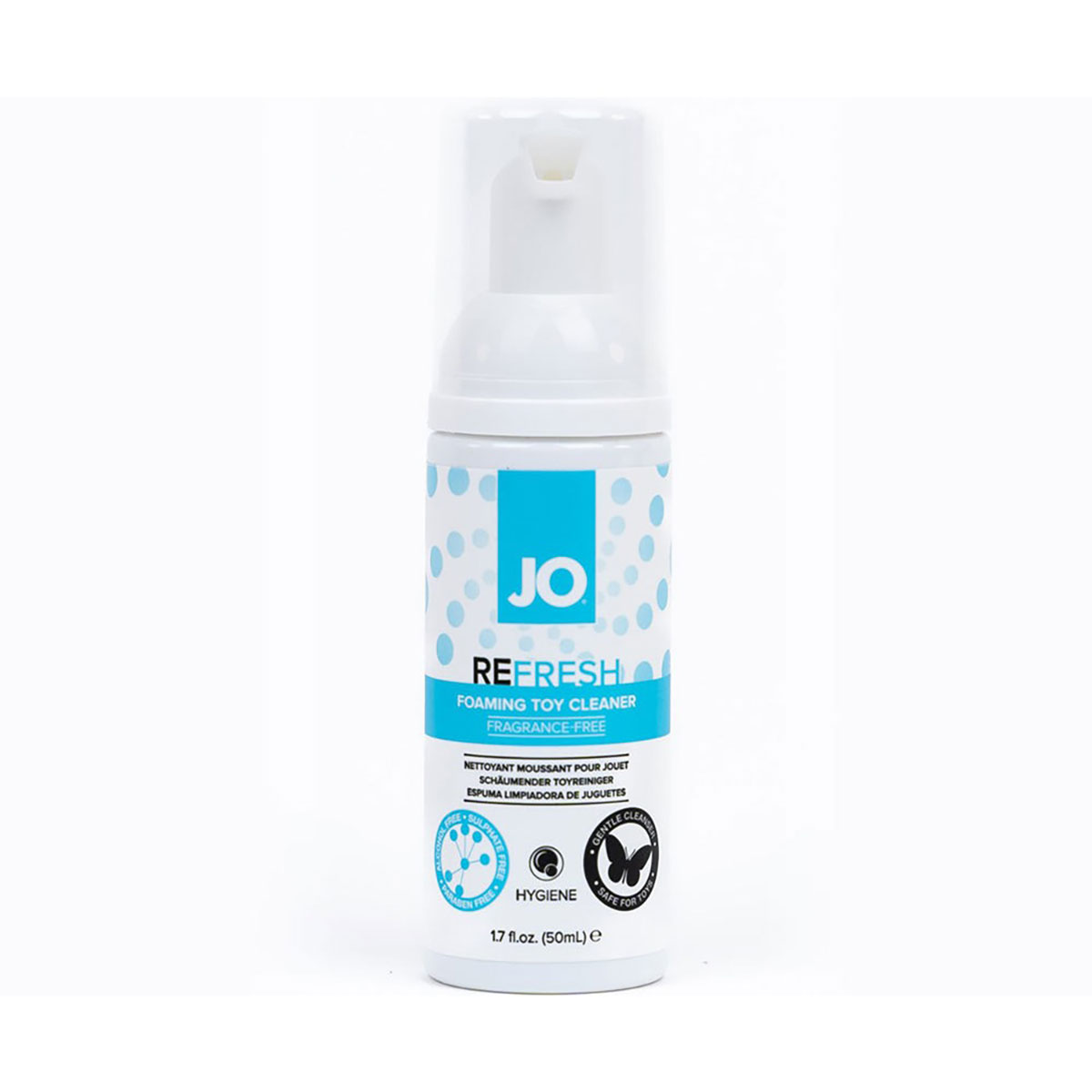
- Clean the toy according to its instructions after use.
- Do not assume a waterproof toy and a water-resistant toy can be cleaned the same way.
Water-based lube is often the broadest starting point for toy use, but the individual product instructions remain the deciding factor.
Why Does Compatibility Matter?
A lubricant can feel excellent on the body and still be the wrong choice for a particular condom, barrier or toy. Compatibility affects product performance, toy surfaces and the reliability of protective barriers.
Check Three Labels
- The lubricant’s directions and warnings.
- The condom or barrier packaging.
- The sex toy’s material and care instructions.
Do not rely on broad assumptions such as “all water-based lubes work with everything” or “all silicone lubes damage silicone toys.” Formulas and materials vary, and the specific manufacturers’ guidance should control the decision.
What Should You Know About Ingredients?
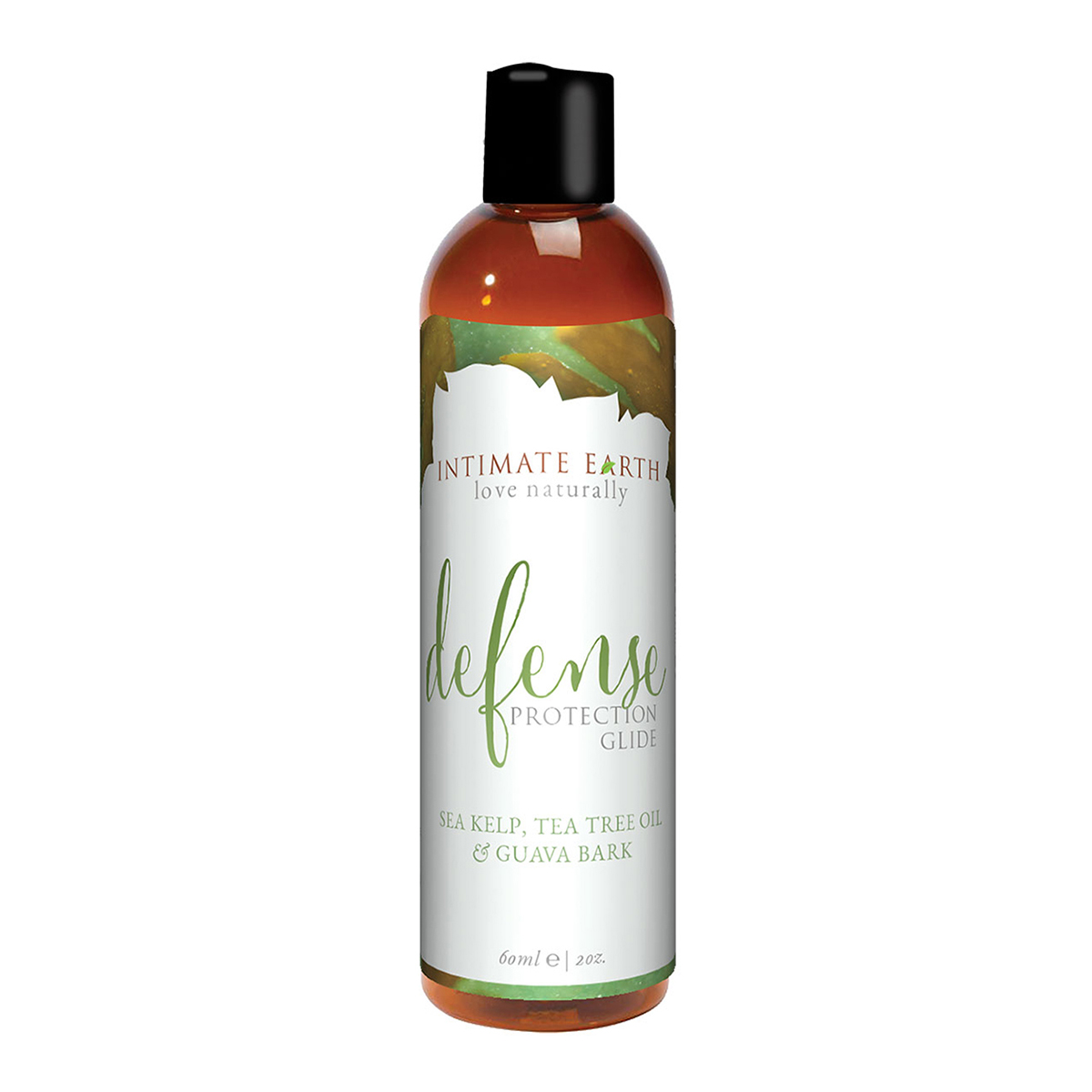
Ingredient preferences vary. Some shoppers prefer minimal formulas, while others enjoy flavored, warming, cooling or tingling lubricants. A feature that feels exciting to one person may feel irritating to someone else.
Review the complete ingredient list when you have known sensitivities. Consider avoiding unnecessary sensation-enhancing additives when buying lube for easily irritated skin or when trying a new intimate product for the first time.
Patch testing may help identify a reaction before broader use, although it cannot guarantee that a formula will feel the same on every area of the body. Discontinue use if irritation develops.
How Should Lube Be Used and Stored?
- Read the directions before first use.
- Start with a manageable amount and add more when needed.
- Do not treat dryness, drag or discomfort as something to ignore.
- Close the bottle after use to help prevent spills and contamination.
- Store it according to the manufacturer’s temperature and storage instructions.
- Check the expiration date and replace products that have changed in smell, texture or appearance.
- Avoid transferring lube into an unlabeled container.
How Do You Build a Useful Lube Collection?
You do not need a shelf full of random lubes. A useful collection can begin with one dependable everyday lubricant and expand only when another formula serves a distinct purpose.
A practical collection might include:
- A versatile water-based lube for everyday intimacy and many toy routines.
- A longer-lasting lubricant for extended sessions.
- An activity-specific anal lube.
- A flavored lube labeled for oral use.
- An ingredient- or values-focused formula that matches your personal priorities.
Building around real uses makes repeat purchasing easier and prevents one bottle from being expected to perform every job equally well.
Frequently Asked Questions About Sex Lube
What is sex lube used for?
Sex lube is used to reduce friction and add glide during intimate activities. Depending on the product, it may be used during solo play, partner play, penetration, anal play, oral play, massage or sex-toy use.
What kind of lube works best with sex toys?
Water-based lube is often a practical starting point because it is commonly compatible with many toy materials. Always follow the toy and lubricant manufacturers’ compatibility instructions.
Which lube is best for anal play?
Start with a lubricant specifically labeled for anal use. Shoppers often prefer formulas that provide cushioning and lasting glide, but the best choice depends on the activity, ingredients and products being used.
Can silicone lube be used with silicone toys?
Not automatically. Some silicone lubricants may affect some silicone toy surfaces. Follow both manufacturers’ directions and test compatibility when recommended.
Can lube be used with condoms?
Many lubricants are compatible with certain condoms and barriers, but compatibility depends on the formula and barrier material. Check both product labels before use, especially when considering an oil-based lubricant.
How much lube should you use?
Begin with a manageable amount and add more whenever glide decreases or additional comfort is wanted. There is no benefit to continuing through uncomfortable friction.
Does lubricant expire?
Yes. Review the expiration date and storage directions on the packaging. Replace a lubricant that is expired or has noticeably changed in smell, texture, consistency or appearance.
Is flavored lube only for oral play?
Not necessarily, but flavored lubricants are commonly marketed for oral use. Follow the product’s directions to determine where and how it may be used.
Can lube cause irritation?
Any intimate product may irritate someone who is sensitive to one of its ingredients. Review the ingredient list, stop using the product if irritation occurs and seek medical guidance for persistent or serious symptoms.
Find the Sex Lubricant That Fits the Experience
The right sex lubricant is not necessarily the most expensive, thickest or longest-lasting formula. It is the one that matches the activity, body, toy materials, barriers and cleanup preferences involved.
Compare the sex lubes on this page by formula and intended use. A thoughtful match can make intimacy feel smoother, more comfortable and easier to enjoy without turning lubricant shopping into guesswork.