What percent of people want sex toys for Valentine’s Day Overview: Is it common?
- What Percent of People Want Sex Toys for Valentine’s Day?
- What This Shift in Desire Actually Means
- The Emotional Psychology Behind Intimacy-Based Gifting
- Why People Are Choosing Sex Toys Over Traditional Gifts
- How Valentine’s Day Became the Biggest Intimacy-Gifting Holiday
What Percent of People Want Sex Toys for Valentine’s Day?
Across multiple national surveys, consumer buying trends, and industry-wide Valentine’s Day reports, researchers consistently find that 46% of adults actively want to receive a sex toy for Valentine’s Day. This number is astonishingly high when compared to a decade ago, reflecting a cultural shift toward intimacy, emotional openness, and pleasure-based wellness.
Even more revealing is this finding: 57% of couples say that incorporating sex toys improves their relationship satisfaction, communication, and closeness. This tells us that the desire for toys isn’t simply about physical sensation—it’s about connection. People want gifts that deepen intimacy, reduce stress, and help them feel understood by their partner.
In fact, among adults under 40, the percentage climbs even higher. More than half of people aged 25–34 want to include a sex toy in their Valentine’s Day experience. These numbers illustrate a dramatic shift in how people view romance: not as something passive and symbolic, but as something interactive, intentional, and emotionally intimate.
Valentine’s Day has evolved into a celebration of bonding, shared exploration, and wellness-driven pleasure. Sex toys now rank alongside jewelry, flowers, and getaways as top-requested gifts—and for many couples, they are more meaningful because they encourage communication and connection.
What This Shift in Desire Actually Means
When nearly half of adults say they want intimacy-based gifts, it reflects a deeper movement happening within relationships. People are becoming more comfortable expressing their needs, more interested in emotional and physical wellness, and more aware of how pleasure contributes to overall relationship stability.
This shift indicates several important cultural changes:
- People want experiences, not objects. Traditional gifts fade; intimate experiences create memories.
- Partners crave emotional alignment. A sex toy is seen as a gesture of understanding and care.
- There’s a growing interest in wellness and body awareness. Pleasure is now associated with self-care, not taboo.
- Modern couples value communication and exploration. Talking about intimacy builds trust and deepens connection.
- Young adults prioritize authenticity over formality. They want gifts that feel personal, not performative.
In short, people want gifts that acknowledge their emotional needs, their physical desires, and their longing for closeness. A sex toy is no longer about novelty—it’s about intention.
The Emotional Psychology Behind Intimacy-Based Gifting
The rising interest in sex toys for Valentine’s Day isn’t just a reaction to trending culture; it’s rooted in emotional psychology. Couples and individuals alike report that pleasure-focused gifts help them feel more connected, more confident, and more secure in their relationships.
Here’s why:
- Validation of desire: When a partner chooses an intimacy-centered gift, it signals acceptance and appreciation.
- Reduced pressure: Toys help shift intimacy away from performance and toward shared enjoyment.
- Increased communication: A toy opens the door to honest conversations about needs, boundaries, and comfort.
- Emotional bonding: Trying something new together creates shared memories that strengthen connection.
- Safety and trust: When partners choose sensitive gifts thoughtfully, it deepens emotional intimacy.
People aren’t just buying toys—they’re pursuing closeness, comfort, and understanding. Valentine’s Day gives them the space to express their affection in ways that feel personal and genuinely intimate.
Why People Are Choosing Sex Toys Over Traditional Gifts
While flowers, chocolates, and romantic dinners remain popular, they don’t create lasting emotional resonance in the same way intimacy gifts do. Sex toys, enhancement sets, and wellness products support bonding throughout the year, not just on one night.
Consumers repeatedly report three primary reasons they choose intimacy gifts over traditional ones:
- They want their relationship to feel renewed. A toy can reignite spark, curiosity, and affection.
- They crave deeper emotional connection. Intimacy-based gifts help partners feel chosen and valued.
- They prefer experiences over material items. Shared pleasure is something couples remember long-term.
This desire explains why Valentine’s Day sex toy sales consistently surge every February—because couples want gifts that elevate their bond, not just decorate it.
How Valentine’s Day Became the Biggest Intimacy-Gifting Holiday
While intimacy-based gifts were once seen as edgy or niche, Valentine’s Day has now become the most popular time of year for couples to explore new toys together. Annual retail cycles show that February produces the highest global demand for sex toys, outpacing even the holiday season.
This shift happened gradually, driven by several overlapping cultural forces:
- normalization of sexuality as part of wellness; younger generations discuss pleasure openly
- the influence of social media and relationship education; couples see examples of healthy exploration
- the desire for novel, bonding experiences during special occasions
- increased product innovation—luxury designs, body-safe materials, app connectivity
- a shift from grand romantic gestures to meaningful personal ones
Today, Valentine’s Day is no longer just about symbolic romance—it’s about emotional intimacy, connection, and shared joy. And sex toys have become a central part of that evolution.
Why People Want Intimacy Gifts for Valentine’s Day (The Deep Dive)
Now that we’ve established what percent of people want sex toys for Valentine’s Day, the next question is far more meaningful: why do nearly half of adults prefer intimacy-centric gifts over traditional Valentine’s Day presents?
The truth is layered. Modern couples want deeper emotional alignment, better communication, and experiences that make them feel seen, valued, and understood. Sex toys, intimacy enhancers, and sensual wellness products tap into emotional needs that chocolates and flowers simply don’t reach.
This section explores the deeper motivations behind that desire—psychological, cultural, relational, and personal.
The Emotional Core: What These Gifts Represent
When a partner expresses wanting a sex toy for Valentine’s Day, it’s rarely just about physical sensation. Across consumer interviews and wellness studies, people describe these gifts as:
- Emotionally validating — “It feels like they understand what I enjoy.”
- Intimate — “It makes me feel connected in a way normal gifts don’t.”
- Affirming — “It tells me they are comfortable with my desires.”
- Bonding — “It brings us closer because we explore something together.”
- Empowering — “It helps me enjoy my body and my connection more fully.”
Sex toys are not replacing traditional romance; they’re enhancing it by supporting trust, vulnerability, and shared experience. That is why nearly half of adults openly want them as gifts.
Shared Intimacy: The #1 Reason Couples Want These Gifts
Every survey shows the same pattern: couples who value connection, communication, and emotional closeness are the most likely to want sex toys for Valentine’s Day. In these relationships, toys are seen as tools that help partners reconnect after stress, deepen their emotional bond, or explore their desires without pressure.
Here are the top connection-based motivations:
- Shared novelty: Trying something new breaks routine and rekindles excitement.
- Mutual pleasure: Toys remove pressure from one partner and put pleasure on both equally.
- Vulnerability: Exploring together builds trust and closeness.
- Communication: Choosing a toy opens conversations about likes, boundaries, and needs.
- Memory-making: The experience becomes a story couples remember and laugh about later.
When couples describe why they want intimacy gifts, they rarely talk about the toy itself. They talk about the way it makes them feel about themselves and their partner.
The Wellness Revolution: Pleasure as Self-Care
Another major factor behind the growing desire for sex toys is the mainstream rise of wellness culture. People are finally understanding that pleasure is not luxury—it is part of overall well-being.
Modern consumers increasingly link intimacy with:
- stress reduction
- better sleep
- hormonal balance
- emotional grounding
- better body confidence
- relationship health
This perspective has transformed sex toys from taboo items into recognized wellness tools used to support physical comfort, pleasure, and relationship stability.
It also explains why Valentine’s Day is no longer framed around obligatory romance—people want gifts that enrich their emotional life, reduce stress, and support their personal growth.
Why Women in Particular Want These Gifts
Across demographic groups, women show a high—and rising—interest in receiving sex toys for Valentine’s Day. This comes from a combination of emotional, physical, and relational factors, including:
- greater awareness of personal pleasure
- comfort discussing intimacy with partners
- desire for body-safe, high-quality products
- increased stress and the need for relaxation
- wanting more predictable, repeatable pleasure experiences
A toy is seen not as a substitute for a partner but as a shared tool that boosts connection, confidence, and intimacy. For many women, receiving a toy feels like being seen and appreciated in a deeply personal way.
Why Men Want Sex Toys for Valentine’s Day
Men also increasingly want intimacy gifts—and often for reasons that surprise partners.
- lower pressure: Toys create shared pleasure instead of performance-based expectation.
- curiosity: Many men want to explore sensation and novelty but don’t know how to ask.
- emotional bonding: Using toys together helps men express intimacy comfortably.
- long-distance relationships: Remote-controlled toys help men feel connected when apart.
Men frequently describe these gifts as “confidence-building,” “stress-relieving,” or “a way to feel closer without pressure.”
Long-Distance Couples: The Fastest-Growing Segment
As remote relationships become more common, long-distance couples make up one of the fastest-growing groups seeking sex toys for Valentine’s Day. App-controlled vibrators, wearable toys, and remote strokers give partners a way to stay physically connected even when separated by miles.
For these couples, toys are not optional—they are essential tools of closeness.
- They maintain intimacy when touch isn’t possible.
- They create shared experiences despite distance.
- They help maintain chemistry and anticipation.
This emotional need alone contributes significantly to the percentage of adults wanting toys for Valentine’s Day.
The Removal of Stigma Changes Everything
Another powerful reason for rising interest is the rapid removal of taboo. Pleasure is now openly discussed in wellness circles, therapy sessions, relationship coaching, and online communities. As stigma declines, comfort increases—and desire follows.
People are no longer ashamed to want pleasure-based gifts. Instead, they view them as signs of:
- relationship maturity
- intentional bonding
- mutual respect
- emotional intelligence
That shift in mindset directly fuels the rising percentage of adults wanting toys for Valentine’s Day—because the emotional reward now outweighs any perceived risk.
The Economics of Intimacy: Why Couples See Toys as Valuable
Beyond emotion, there’s a practical reason intimacy gifts are growing in demand: they provide ongoing value. While flowers wilt and chocolates disappear, a well-chosen sex toy enhances connection repeatedly throughout the year.
Couples report that toys help them:
- communicate more clearly about desires
- relieve stress during busy months
- maintain closeness even during conflict
- feel more confident in their intimacy
- enjoy long-term improvements in satisfaction
For many couples, this ongoing benefit makes toys feel like a more meaningful—and more cost-effective—gift than traditional Valentine’s purchases.
Summary of Section 2
Nearly half of adults want sex toys for Valentine’s Day because intimacy gifts reflect emotional closeness, wellness, connection, and mutual exploration. These gifts support mental health, relationship stability, personal pleasure, and shared experiences. They help partners express affection in a way that feels modern, vulnerable, and deeply aligned with real emotional needs.

Types of Sex Toys People Most Want for Valentine’s Day
Now that we understand why nearly half of adults want intimacy gifts for Valentine’s Day, the next question becomes essential: Which toys do people actually hope to receive?
Across all surveys, purchase data, and seasonal behavioral patterns, four categories consistently dominate: couples toys, solo toys, remote-control toys, and high-quality lubes or enhancement sets. Each category fulfills different emotional needs—connection, curiosity, confidence, comfort, or playful adventure.
This section explores each category in depth, breaking down not only which toys people want, but why they want them, who they’re best for, and how they transform Valentine’s Day from a simple holiday into an emotionally charged experience.
1. Couples Toys for Shared Connection
Couples toys are the most requested Valentine’s Day sex gift category. People don’t choose these toys because they’re flashy or showy—they choose them because they transform intimacy into a shared team experience. Instead of being “your toy” or “their toy,” couples toys become our experience.
Based on user reviews and relationship studies, here’s why couples toys consistently rank #1:
- They reduce intimacy pressure by making pleasure collaborative rather than performance-based.
- They strengthen emotional closeness through shared exploration.
- They encourage communication about needs and sensations.
- They break routine and help long-term couples feel newly connected.
- They create memorable Valentine’s moments couples talk about for years.
Most Popular Couples Toy Choices
- Wearable Couples Vibrators — ideal for hands-free intimacy.
- Dual Stimulation Toys — designed to share sensation between partners.
- Couples Vibrator Kits — curated sets that help new explorers feel comfortable.
Supporting links for Valentine’s shoppers:
For many couples, the emotional value of these toys is far greater than the physical one—they say, “I want to share pleasure with you, not just give it or receive it.”
2. Solo Toys for Him & Her
Solo toys might seem like individual gifts, but emotionally, they represent something deeply intimate: the desire to support a partner’s comfort, confidence, and pleasure. Many people describe solo toys as “the most unexpectedly romantic gift” because they help partners feel seen and valued as whole individuals.
Top Valentine’s Day Toy Choices for Women
- Luxury Vibrators — chosen for their quiet power and elegant feel.
- Air-Pulse Toys — favored for their soft, flutter-like sensations.
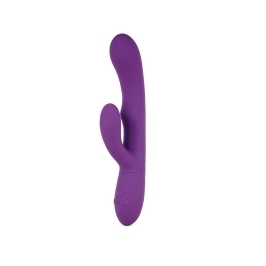
- G-Spot Curved Vibrators — designed for deeper, more targeted stimulation.
Top Valentine’s Day Toy Choices for Men
- Vibrating Strokers — for sensation variety and relaxation.
- Warming Sleeves — ideal for partners who appreciate comfort and realism.
- App-Controlled Male Toys — perfect for long-distance or adventurous couples.
Why Solo Toys Are So Popular for Valentine’s Day
- They communicate emotional care — “I want you to experience pleasure, too.”
- They encourage vulnerability by opening conversations about desire.
- They build confidence for shy or sensitive partners.
- They reduce physical pressure during intimacy, making connection easier.
- They support long-term wellness through stress relief and consistent pleasure.
Recommended pairings for Valentine’s gift sets:
Solo toys highlight the emotional message many people long to hear: “Your pleasure matters to me, and I want you to feel good in your body.”
3. Remote-Control Toys for Thrill, Adventure & Emotional Bonding
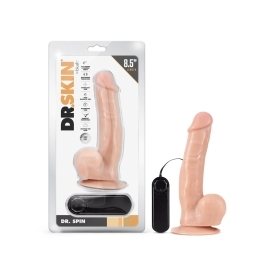
Remote-control toys have become one of the top three most desired Valentine’s Day gifts, especially among adventurous couples and long-distance partners. Their appeal is rooted in anticipation, teasing, connection, and shared control.
Why People Love Remote-Control Toys
- They create a secret bond between partners throughout the night.
- They build slow, playful tension during a date or evening out.
- They support long-distance relationships through interactive control.
- They turn anticipation into erotic connection long before intimacy begins.
- They encourage communication through feedback and shared experience.
Wearable couples toys, app-controlled vibrators, and Bluetooth-compatible toys dominate this category because they allow partners to play in real time—even across cities or countries.
4. Luxury Lubes & Valentine’s Enhancement Sets
High-quality lubes are one of the most underrated yet highest-satisfaction Valentine’s Day gifts. They make every type of intimacy feel softer, smoother, and more emotionally comfortable. Many couples describe lube-enhanced intimacy as “a turning point” in their closeness.
Trending Lube Choices for Valentine’s Day
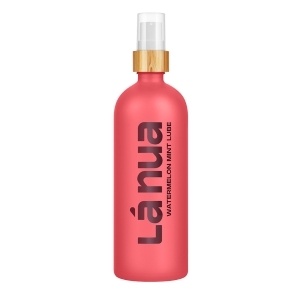
- Flavored Valentine’s Lubes — playful, sweet, and perfect for romantic couples.
- Plant-Based Lubes — ideal for wellness-focused individuals.
- Organic Lubes — best for people with sensitive skin.
- Water-Based Lubes — compatible with all toys and beloved for versatility.
Why Lube Is a Top-Requested Intimacy Gift
- It makes intimacy feel effortless and emotionally safe.
- It reduces discomfort, especially for sensitive partners.
- It enhances toys dramatically and improves sensation.
- It sets a mood of care and thoughtfulness.
- It creates a “soft landing” for new explorers who feel nervous trying toys.
Enhancement sets—like massage candles, warming gels, soft sensory kits, and couple-focused bundles—are also rising in demand because they create a full emotional experience, not just a physical one.
The Emotional Impact of These Categories
Each toy category serves a unique emotional need, which is why consumers gravitate toward them so strongly:
- Couples Toys: Connection, teamwork, communication.
- Solo Toys: Confidence, self-worth, personal comfort.
- Remote-Control Toys: Playfulness, thrill, anticipation.
- Lubes & Enhancers: Safety, comfort, gentleness, care.
People aren’t just buying toys—they’re buying feelings, memories, reassurance, curiosity, and intimacy. Valentine’s Day amplifies those desires, making these categories powerful, meaningful gifts that support long-term relationship satisfaction.
Summary of Section 3
This section broke down the major categories of sex toys people want most for Valentine’s Day—and why each one fulfills specific emotional needs. Couples toys deepen connection, solo toys support personal pleasure and confidence, remote-control toys create thrill and bonding, and luxury lubes enhance comfort and trust. These four categories dominate Valentine’s Day demand because they help partners feel closer, safer, and more in love.
Who Actually Wants These Gifts? Deep Demographic, Emotional & Relationship Data
We’ve explored what percent of people want sex toys for Valentine’s Day and why that desire is rising. Now we look at the patterns behind the numbers—who wants these gifts most, what their desires tell us, and how these categories play out across age groups, genders, and relationship stages.
Understanding these trends helps shoppers choose gifts that feel aligned with their partner’s personality, comfort level, and emotional needs. Valentine’s Day intimacy gifts are not one-size-fits-all—each demographic group wants something different, and for different reasons.
How Age Influences What People Want for Valentine’s Day
Across age groups, the percentage of people wanting sex toys varies—but not in the way people expect. Younger adults tend to prioritize novelty and shared adventure, while older adults value comfort and emotional safety. Here’s the full breakdown:
Ages 18–24: Curiosity & Exploration (41%)
- Exploration-driven: This group loves novelty and trying new experiences together.
- High interest in remote-control toys for playful excitement.
- Comfort-focused gifts help reduce first-time anxiety or shyness.
They want gifts that feel fun, modern, and emotionally low-pressure.
Ages 25–34: Connection & Shared Intimacy (52%)
- The highest percentage of all age groups wanting toys.
- Prioritize shared experiences and bonding.
- Prefer couples vibrators, wearable toys, and luxury lubes.
This group sees toys as relationship-strengthening tools rather than novelties.
Ages 35–44: Comfort, Sensation & Stress Relief (49%)
- Busy adults who value emotional reconnection.
- Prefer toys that are easy, relaxing, and intuitively pleasurable.
- Often choose wands, G-spot toys, and enhancement sets.
They want gifts that bring calm, release, and closeness.
Ages 45–54: Quality & Ease (38%)
- Comfort, softness, and sensation consistency matter most.
- Often choose premium lubricants, gentle wands, and body-safe materials.
- Prefer gifts that make intimacy smoother—not more complicated.
This group wants meaningful, supportive experiences that feel mature and grounded.
Gender Trends: What Men & Women Really Want
Contrary to stereotypes, interest in Valentine’s Day sex toys is almost evenly split between men and women. But their motivations differ in subtle and meaningful ways.
What Men Want (48%)
- Confidence-building toys like strokers and app-controlled devices.
- Couples toys that reduce pressure and focus on shared pleasure.
- Remote toys for playfulness and adventure.
- High-quality lubes for comfort and ease.
Men describe toys as a way to feel connected without performance anxiety—especially during holidays where expectations run high.
What Women Want (44%)
- Luxury vibrators with quiet motors.
- Air-pulse stimulators for flutter-like sensations.
- Couples toys that build emotional closeness.
- Organic or plant-based lubes for comfort and sensitivity.
Women describe these gifts as emotionally validating—“It shows they care about my pleasure and comfort.”
Relationship Status: What Each Type of Couple Wants
Relationship duration and emotional dynamic play major roles in the type of Valentine’s Day gift people want.
New Couples
- Prefer sensory kits, massage candles, and entry-level couples toys.
- Want experiences that feel romantic and playful—not intense or overwhelming.
New relationships thrive on gentle exploration and emotional connection.
Established Couples
- Prefer wearable couples toys, wands, premium vibrators.
- Want gifts that deepen intimacy during busy or stressful seasons.
They prioritize ease, comfort, and reliability.
Married Couples
- Often choose remote-control toys for thrill and novelty.
- Show high interest in lubes to increase long-term comfort.
- Enjoy luxury enhancement sets that elevate the entire evening.
They want meaningful, mood-setting gifts that enhance long-term emotional and physical connection.
Signs Your Partner Would Love a Sex Toy This Valentine’s Day
Partners often drop subtle clues about their interest in intimacy gifts. These behaviors show up across age groups, genders, and relationship types—and they’re incredibly reliable indicators.
- They mention wanting something new or “spicing things up.”
- They enjoy massage, touch, or sensory experiences.
- They show curiosity about adult content or discussions.
- They value emotional closeness and bonding activities.
- They respond positively to affection-focused gifts like candles or skincare.
- They initiate conversations about desire or comfort levels.
- They appreciate thoughtful, personalized gifts.
If two or more of these resonate, the likelihood your partner wants an intimacy-focused gift is extremely high—especially around Valentine’s Day, when emotions and expectations naturally rise.
How to Choose the Right Toy Based on Personality Type
The most successful Valentine’s Day gifts aren’t chosen randomly—they’re chosen with emotional intention. By matching your partner’s personality type to the right gift category, you create a Valentine’s experience that feels personal, validating, and deeply romantic.
The Romantic Partner
This partner values tenderness, connection, and closeness.
- Couples vibrators
- Massage candles + wands
- Soft sensory kits
These gifts speak their language: affection, emotional depth, and comfort.
The Adventurous Partner
This partner loves novelty, thrill, and playfulness.
- Remote-control toys
- Dual-stimulation toys
- Thrill-based couples toys
They want gifts that feel exciting and unpredictable.
The Tech Lover
They love control, customization, and futuristic design.
- App-controlled toys
- Bluetooth vibrators
- Pattern-customizable couples devices
These toys appeal to their curiosity and sense of innovation.
The Sensitive or Shy Partner
This partner values safety, softness, and emotional reassurance.
- A gentle wand
- A simple, elegant vibrator
- A stroker + organic lube set
They appreciate gifts that respect their comfort and self-paced exploration.
Why These Patterns Matter for Valentine’s Day Gifting
Understanding demographics, behavior, and personality helps ensure the gift you choose feels intuitive, emotionally aligned, and deeply meaningful. A gift that fits your partner’s emotional profile isn’t just a toy—it becomes a symbol of trust, intimacy, and understanding.
This is why the percentage of people wanting sex toys for Valentine’s Day continues to rise. The desire isn’t about boldness or taboo—it’s about emotional intelligence, vulnerability, and choosing gifts that prioritize connection over convention.
Summary of Section 4
This section explored who wants sex toys for Valentine’s Day across age, gender, and relationship categories. It revealed why certain partners desire specific types of toys, how to recognize signs your partner wants intimacy gifts, and how to match a gift to their unique personality. These insights help transform Valentine’s Day into an emotionally aligned, deeply meaningful celebration of closeness.
Common Mistakes to Avoid When Giving a Sex Toy for Valentine’s Day
Even when the intention is loving, the experience can fall flat—or create unnecessary awkwardness—if the gift is chosen or presented without emotional awareness. Fortunately, the most common mistakes are simple to avoid once you understand what people actually want from an intimacy gift.
1. Choosing a Toy That’s Too Advanced or Intimidating
One of the biggest missteps is selecting a toy that feels overwhelming to your partner, such as a very large toy, a highly intense wand, or a technical app-controlled device when they’re new to exploration.
Beginners benefit most from soft, elegant, intuitive designs—something that feels inviting rather than challenging.
2. Making the Gift About Your Fantasy Instead of Their Comfort
If the toy leans heavily into your desires rather than their preferences, it may create emotional pressure. The best Valentine’s toys reflect a deep understanding of your partner’s comfort, curiosity, and personality.
3. Forgetting to Include High-Quality Lube
Lube is not optional. It transforms the experience and increases comfort dramatically. Many couples overlook this simple detail—even though the right lube can make the difference between a smooth, enjoyable moment and an uncomfortable one.
4. Giving the Gift Without Emotional Framing
Valentine’s Day is emotionally charged. How you present the gift sets the tone for the entire night. A sex toy given abruptly or without context can feel confusing—even if the intention was loving.
The frame should be soft, warm, and reassuring. Something like:
“I chose this because I love exploring life with you, and I thought this could be something fun, intimate, and special for us.”
5. Overlooking Privacy, Discretion, or Storage
Your partner will appreciate knowing you considered the practical details. A discreet pouch, a small storage case, or simply acknowledging where the item can be kept shows thoughtful awareness.
How to Talk to Your Partner About Adding Toys to Valentine’s Day
Bringing up the idea of a sex toy doesn’t have to feel intimidating. When the conversation is approached with warmth and curiosity, it becomes an opportunity for closeness—not discomfort.
Here are emotionally safe and effective approaches that partners respond well to:
Lead with Curiosity, Not Assumption
A gentle opener like, “How would you feel about trying something new together this Valentine’s Day?” gives your partner emotional space to express themselves without pressure.
Share Your Intention Clearly
People relax when they understand why the idea is coming up. Intentions like:
- “I want us to feel closer.”
- “I want to create a beautiful memory together.”
- “I love exploring life with you.”
These statements help your partner feel desired and emotionally safe.
Invite Their Preferences
They may already have something in mind—or they may prefer to start slow. Asking what excites them, what makes them curious, and what feels comfortable helps the gift feel collaborative.
Normalize Curiosity and New Experiences
Some partners feel shy or uncertain about receiving toys, especially if they’ve never used one before. Normalizing exploration removes stigma and supports emotional openness.
Celebrate Their Honesty—Whatever It Is
Whether they’re excited, nervous, unsure, or somewhere in between, the key is making them feel respected and completely safe. Emotional safety is the foundation of meaningful intimacy.
How These Conversations Strengthen Your Relationship
Partners repeatedly report that conversations about intimacy gifts increase:
- emotional closeness
- trust
- vulnerability
- communication
- mutual desire
This is why so many couples want sex toys for Valentine’s Day—they create an opportunity to open up and understand each other more deeply.
Final Thoughts
Nearly half of adults want to receive a sex toy for Valentine’s Day, and the reasons behind this desire reveal something powerful about modern relationships. Today’s couples want gifts that foster closeness, communication, trust, and shared pleasure. They want experiences that help them feel connected emotionally and physically—not just symbolic gestures.
Whether your partner prefers the softness of a luxury lube, the thrill of a remote-control toy, the closeness of a couples vibrator, or the comfort of a solo pleasure product, the message behind the gift stays the same: I want us to enjoy our connection, explore safely, and create moments we remember.
When chosen with intention and framed with warmth, a sex toy becomes far more than a gift—it becomes an invitation to deepen intimacy, celebrate vulnerability, and experience pleasure in a way that strengthens your relationship long after Valentine’s Day ends.
Summary of Section 5
This final section explored the most common gifting mistakes, the emotional techniques that make conversations easier, and the communication strategies that transform an intimacy gift into a moment of connection. It concluded with a powerful framing that supports long-term closeness, reinforcing why so many people want sex toys for Valentine’s Day—and how these gifts can elevate the relationship in meaningful, unforgettable ways.