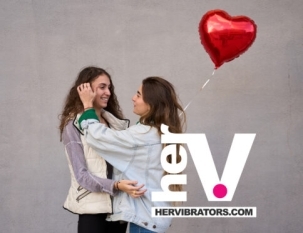
Cute Valentines Gifts for Everyone in 2026
Cute Valentines Gifts are about creating warmth, playfulness, and emotional safety in.
Valentine’s Day has grown far beyond roses, candy, and last-minute cards. Today, it represents emotional connection, vulnerability, desire, and intentional love in all its forms. It’s a day that holds deep meaning for couples, singles, long-distance partners, married partners, and people practicing self-love.
For some, Valentine’s Day is about romance and passion. For others, it’s about comfort, emotional security, or simply feeling chosen. And for many people, it’s a blend of all of those feelings at once.
Modern Valentine’s Day is no longer about impressing someone for a single night — it’s about reinforcing connection, nurturing emotional safety, and honoring the bonds that already exist.
Valentine’s Day used to follow a predictable formula: dinner reservations, flowers, chocolate, and maybe a gift. While those traditions still hold charm, they no longer define the entire holiday.
Today, couples are redefining Valentine’s Day in deeply personal ways. The focus has shifted toward:
This evolution is why Valentine’s Day now includes romance, sensuality, self-care, emotional reassurance, playful exploration, and deep personal expression — all under one holiday.
Valentine’s Day isn’t just a date on the calendar — it’s an emotional checkpoint in many relationships. It often becomes a moment when couples pause and reflect on:
Because of this, Valentine’s Day can feel deeply affirming when it’s filled with warmth and intention — and deeply uncomfortable when it’s marked by distance, misunderstanding, or unmet expectations.
This is why the choices couples make around Valentine’s Day — how they communicate, how they show affection, how they handle pressure — can shape how the holiday feels long after the day itself passes.
Valentine’s Day carries emotional weight because it often magnifies what’s already happening beneath the surface. Joy becomes brighter. Distance becomes louder. Longing becomes sharper. Appreciation becomes more meaningful.
Common emotional pressures people experience around Valentine’s Day include:
Understanding these emotional layers helps remove shame from the holiday. It reminds us that Valentine’s Day affects people differently — and that every emotional response is valid.
Valentine’s Day is no longer reserved exclusively for couples. More people are intentionally using the day as a moment of self-care, confidence, and personal celebration.
For many, Valentine’s Day now represents:
This shift has transformed Valentine’s Day into a holistic holiday — one that honors romantic love, self-love, emotional safety, and personal empowerment all at once.
Understanding Valentine’s Day begins with understanding why humans have always created rituals around love, desire, and emotional bonding. The holiday traces back centuries, blending ancient fertility festivals, early Christian martyr stories, and cultural traditions that centered on pairing, courtship, and devotion.
While the historical roots vary depending on which origin story is followed, one theme remains constant across every version: Valentine’s Day has always been tied to emotional connection, longing, and the human need to be chosen.
Over time, religious symbolism gave way to romantic tradition, poetry replaced ritual sacrifice, and handwritten letters evolved into cards, gifts, and shared experiences. Yet the emotional core of Valentine’s Day remains unchanged — it is a day built around expressing affection in ways that feel intentional and meaningful.
Valentine’s Day thrives because humans are neurologically wired for ritual. We attach emotional meaning to dates, patterns, and shared milestones because they help us mark connection, memory, and attachment.
Romantic rituals like Valentine’s Day activate several powerful psychological needs at once:
This is why Valentine’s Day holds such strong emotional gravity. It combines vulnerability with symbolism, intention with longing, and affection with anticipation.
Emotion and memory are deeply linked in the brain. When we experience heightened emotional states — excitement, desire, tenderness, nervousness, joy — our brains encode those moments more vividly.
Valentine’s Day creates a perfect environment for memory bonding because it layers:
This is why Valentine’s moments often become emotional reference points in relationships. Years later, people remember not just the gift or the dinner — but how they felt in that moment of connection.
Seasonal shifts strongly influence human behavior, mood, and desire. Valentine’s Day falls at a time when people naturally crave warmth, closeness, and emotional reassurance after months of winter isolation.
Psychologically, this creates a perfect storm for heightened desire and romantic longing:
Desire thrives in novelty — and Valentine’s Day provides cultural permission to break routine, explore curiosity, and reconnect with passion in ways that daily life often suppresses.
For long-term couples, Valentine’s Day often becomes a symbolic renewal point. It’s not about grand gestures — it’s about reaffirmation.
Valentine’s Day offers couples a moment to:
It becomes a seasonal reminder that intimacy doesn’t survive on habit alone — it thrives on intentional reconnection.
Because Valentine’s Day is emotionally symbolic, it can magnify what’s already present in a relationship. When connection is strong, the holiday feels affirming. When distance exists, the holiday can feel exposing.
This is why people often experience:
Understanding this pressure helps remove shame from the experience. Valentine’s Day isn’t just a celebration — it’s an emotional mirror.
Valentine’s Day looks very different now than it did even a decade ago. Dating culture has shifted from rigid labels and timelines into fluid connection, emotional exploration, and intentional choice. People now enter Valentine’s Day from many relationship stages at once—new connections, situationships, long-term partnerships, rekindled romances, and solo self-celebration.
This evolution has transformed what Valentine’s Day means. It’s no longer only about proving love to someone else—it’s also about honoring where you are emotionally, whether that’s building something new, strengthening what already exists, or reconnecting with yourself.
Technology has completely altered how love, intimacy, and emotional expression unfold—especially on Valentine’s Day. Texting, video calls, shared playlists, virtual dates, and long-distance relationships have expanded what connection looks like.
Technology now supports Valentine’s Day through:
Valentine’s Day has become less about a single evening and more about a continuous emotional thread that can stretch across days, screens, and distance.
For long-distance partners, Valentine’s Day carries even greater emotional weight. It becomes a symbol of presence when physical presence isn’t possible.
Long-distance couples often use Valentine’s Day to:
In these relationships, Valentine’s Day isn’t about location—it’s about intention. It becomes a reminder that intimacy can exist across space when emotional connection is protected.
One of the most defining changes in modern Valentine’s Day culture is the integration of sensuality and pleasure into mainstream celebration. Desire is no longer something hidden behind romance—it’s part of it.
This shift reflects a broader cultural movement toward:
Today, Valentine’s Day celebrates not only love—but also the right to feel good in your body, to explore curiosity safely, and to prioritize pleasure without shame.
Valentine’s Day is no longer limited to outward romance. It has become deeply linked to self-care, emotional wellness, and self-worth.
For many people, Valentine’s Day now represents:
This reframing removes pressure from the holiday. It allows Valentine’s Day to become something nourishing instead of something performative.
Modern Valentine’s Day no longer separates romance, sensuality, and self-love—they coexist. People no longer feel forced to choose between being romantic and being authentic, between loving others and loving themselves.
The most emotionally healthy Valentine’s celebrations now include:
Valentine’s Day has become a multidimensional holiday—one that holds space for tenderness, desire, vulnerability, joy, and healing all at once.
Valentine’s Day gifting isn’t driven by obligation alone—it’s driven by emotional signaling. When people give a Valentine’s Day gift, they are communicating feelings that often feel difficult to say out loud: affection, desire, appreciation, vulnerability, commitment, and longing.
At a psychological level, gift-giving satisfies several deep emotional needs:
This is why Valentine’s gifts often feel heavier with meaning than gifts given at other times of the year. They’re not just objects—they’re emotional messengers.
Attachment bonds grow through shared vulnerability, mutual care, and repeated emotional reassurance. Valentine’s Day offers a socially accepted ritual for expressing those needs without fear of appearing “too emotional.”
When a partner gives a Valentine’s gift with true intention, it communicates:
These signals directly reinforce emotional security. That’s why a Valentine’s gift that feels thoughtful often strengthens connection far more than something expensive but impersonal.
Traditional gifts like flowers, candy, and cards carry symbolic value, but intimate gifts carry experiential value. They invite presence, touch, emotion, and shared vulnerability.
Intimate Valentine’s gifts feel more meaningful because they:
This is why many couples now gravitate toward romantic, sensual, and bedroom-focused Valentine’s gifts—they don’t just mark the day, they deepen the relationship.
Not everyone receives Valentine’s gifts in the same emotional way. Personality, attachment style, life experience, and comfort with vulnerability all influence how a gift is perceived.
For example:
When a Valentine’s gift aligns with personality, it feels emotionally precise—like it was chosen with true understanding.
Because Valentine’s Day carries emotional symbolism, it often amplifies performance anxiety around gifting. Many people fear that their choice of gift will reflect their emotional investment or commitment level.
Common internal pressures include:
This emotional weight is why Valentine’s gifting can feel more stressful than joyful when communication is missing. When partners talk openly about needs, preferences, and comfort levels, Valentine’s Day becomes lighter, safer, and more affirming.
The most powerful Valentine’s Day gifts are not defined by price, trend, or social media validation—they’re defined by intention.
Intention transforms a gift from an object into a message. It says:
When intention leads, Valentine’s Day stops being about perfection and becomes about connection.
Valentine’s Day is often treated as a single moment on the calendar, but its deepest impact happens when it reflects a pattern of care, connection, and emotional presence that exists year-round. The holiday doesn’t create love—it reveals how love is already being lived.
When Valentine’s Day is approached as a conscious choice rather than a performance, it becomes less about proving devotion and more about practicing it. It becomes a reminder to return to intention, curiosity, tenderness, and communication.
The most connected couples use Valentine’s Day as a relational “reset”—a moment to realign emotionally and physically. They carry that energy forward by:
Valentine’s Day, when honored intentionally, becomes less about one celebration and more about a renewed approach to connection.
For singles, Valentine’s Day can be a powerful reminder that love does not begin or end with another person. It begins with how you treat yourself, how you honor your desires, and how safely you allow yourself to experience pleasure, rest, and joy.
Choosing yourself on Valentine’s Day is not a fallback—it’s a declaration of self-worth. It reinforces the truth that connection starts internally and expands outward.
Valentine’s Day often stirs emotional layers tied to past relationships, heartbreak, longing, or unmet expectations. When approached gently, the holiday can become a space for:
It becomes less about what was lost and more about what is being rebuilt.
In a fast-moving, digitally saturated world, intentional emotional moments matter more than ever. Valentine’s Day remains relevant because it invites pause. It invites reflection. It invites connection.
It creates space for:
These are not outdated traditions—they are timeless human needs.
At its core, Valentine’s Day is not about perfection, comparison, or obligation. It’s about how you choose to show care, how you choose to honor intimacy, and how you choose to express affection—toward others and toward yourself.
Whether your Valentine’s Day is filled with romance, quiet self-care, passion, playfulness, healing, or all of the above, its meaning is defined by intention, not expectation.
And that is why Valentine’s Day, in every season of life, continues to matter.

Cute Valentines Gifts are about creating warmth, playfulness, and emotional safety in.
Valentines Day Gift Ideas are about creating moments of connection, anticipation, and.
Valentine's Day Gifts for Her are about more than romance and flowers—they’re.
Valentines Day gifts for him are about more than romance—they’re about making.
Valentines Day Gifts for Boyfriend are about more than giving a present—they’re.
Valentines Day Sex is about more than physical connection—it’s about emotional safety,.
Valentines Day Gifts are about connection, desire, and feeling chosen—and the right.
Valentine’s Day is about connection, desire, and feeling chosen—and sex toys for.
The guide to the best vibrator to give your girlfriend for Valentine’s.
The question should you give a sex toy for Valentine’s Day is.
What percent of people want sex toys for Valentine’s Day Overview: Is.
Should you buy your partner a sex toy for Valentine’s Day? Absolutely..

 Posted By: