LELO

LELO for her

LELO Overview

Lelo Sex

LELO is already a proven brand and is one of the few names in sexual wellness that already carries built-in authority before a shopper ever lands on the page. People search lelo because they already see the lelo brand as premium, design-led, and worth comparing closely. Some arrive looking for a lelo vibrator. Some want lelo vibrators in general. Some are shopping lelo toys, lelo toy, lelo sex toys, lelo sex toy, or broader lelo adult toys. Others are looking for lelo products, trying to understand what is lelo, or asking what is a lelo before they spend luxury money. That is exactly why a strong LELO brand page matters.

LELO is not just a name shoppers recognize. It is a Swedish-founded luxury sexual wellness company that has spent more than two decades turning intimate products into objects people actually want to own, display, gift, and use long term. The lelo company started in Stockholm in 2003 and built its reputation around sculptural design, premium materials, quiet power, and innovation that goes beyond generic vibration. That is a big reason people search for the lelo official line, compare the lelo store to other retailers, watch for a lelo sale, and keep asking which are the best lelo toys or which lelo luxury sex toys are worth the splurge.

LELO also offers Kegel exercise devices for women’s sexual wellness and improvement.

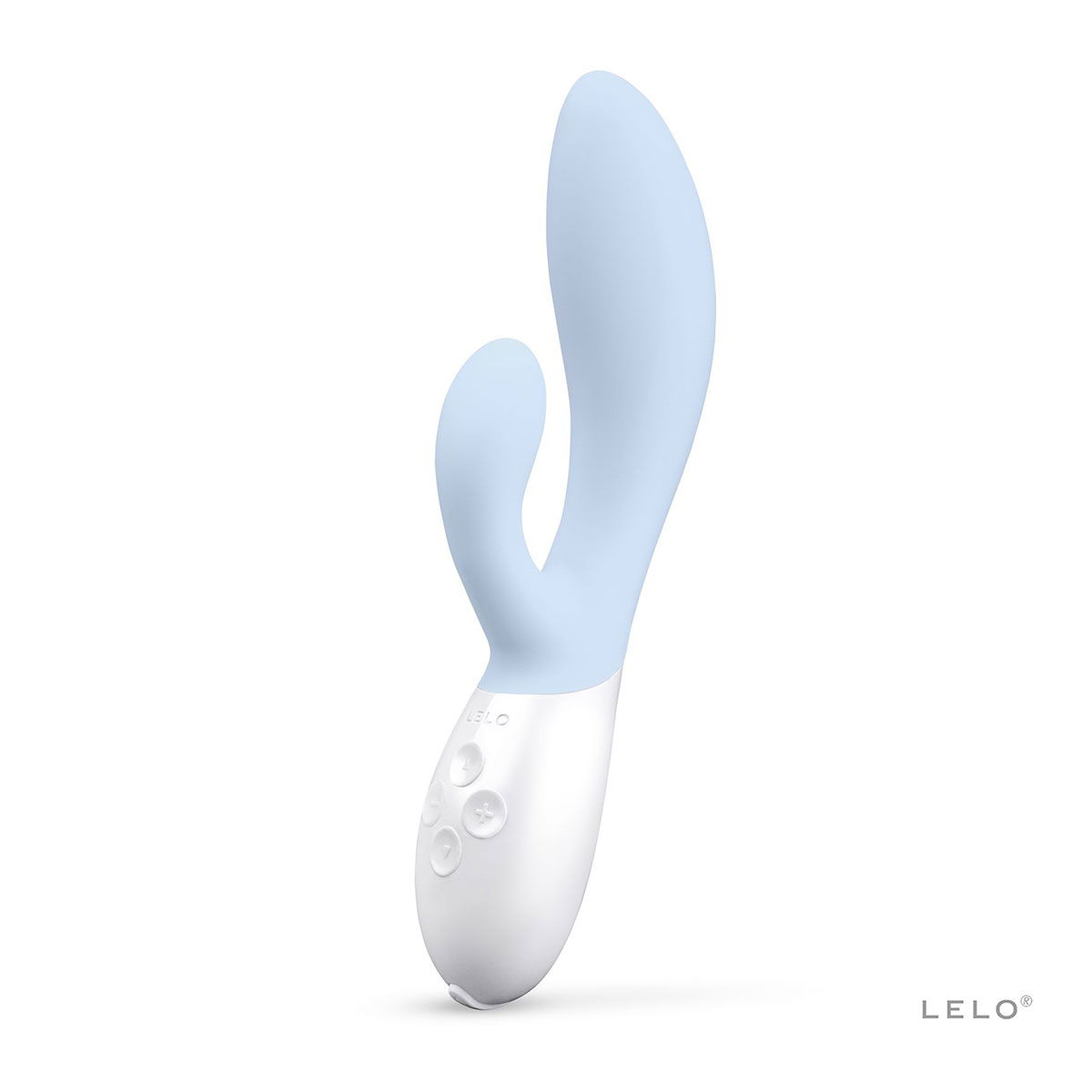
What makes LELO commercially strong is that the brand serves multiple buying mindsets without losing its identity. Shoppers looking for lelo for her usually want elegant clitoral toys, lipstick-style travel vibrators, sonic massagers, or refined internal stimulation with less tacky energy and more design confidence. Shoppers curious about lelo liv often want a versatile mid-sized vibrator that can work for clitoral or G-spot play.

Customers comparing a lelo dildo alternative often end up considering LELO’s internal vibrators because they want body-safe silicone, rechargeability, and luxury finish rather than a purely static insertable. Buyers asking about lelo originals or heritage models are often looking for the products that built the brand’s reputation in the first place.

Sexual wellness is central to why LELO still matters. This brand does not sell only on looks. LELO builds around body-safe silicone and ABS, waterproof construction, rechargeable use, travel lock functionality, and product engineering meant to improve comfort, confidence, and ongoing pleasure.

That matters for shoppers who want more than a one-off thrill. It matters for people who want stimulation that feels body-aware, gift-worthy, long-lasting, and aligned with a self-care mindset rather than a disposable impulse buy. LELO also states that its devices meet ISO 3533, which gives the brand an added layer of credibility for customers who care about safer materials and product standards.

Another reason the brand converts is that the product line is not shallow. LELO has iconic clitoral products like SONA and SONA Cruise built around SenSonic stimulation, oral-inspired products like ORA 3, precision G-spot icons like GIGI 2, curved internal favorites like MONA 2, versatile options like LIV 2, remote and app-enabled prostate products like HUGO 2, and even condom innovation through HEX. That spread gives shoppers real ways to browse by sensation goal, anatomy, partner setup, and budget instead of staring at a page full of near-identical toys.

The deeper buying appeal is that LELO makes luxury feel practical. A lot of premium brands look beautiful but do not give customers enough reason to pay more. LELO usually does. Some shoppers want sonic clitoral stimulation that feels less blunt than standard vibration. Some want flatter precision pressure for the G-spot. Some want a prostate massager with stronger tech and remote flexibility. Some want a sleek travel toy that looks nothing like a cheap novelty product. Some want a recognizable luxury gift that feels exciting the moment it is unboxed. LELO has built a long-running business around satisfying those exact purchase motivations.

For shoppers who want body-safe design, refined aesthetics, strong engineering, and a brand with real category authority, LELO remains one of the smartest luxury buys in intimate products. Whether someone is browsing clitoral massagers, internal vibrators, prostate toys, travel-friendly options, or premium sexual wellness gifts, LELO gives them a brand that feels proven, polished, and built for repeat satisfaction instead of one-time curiosity.

LELO Brand Details

What Is LELO and What Is a LELO?

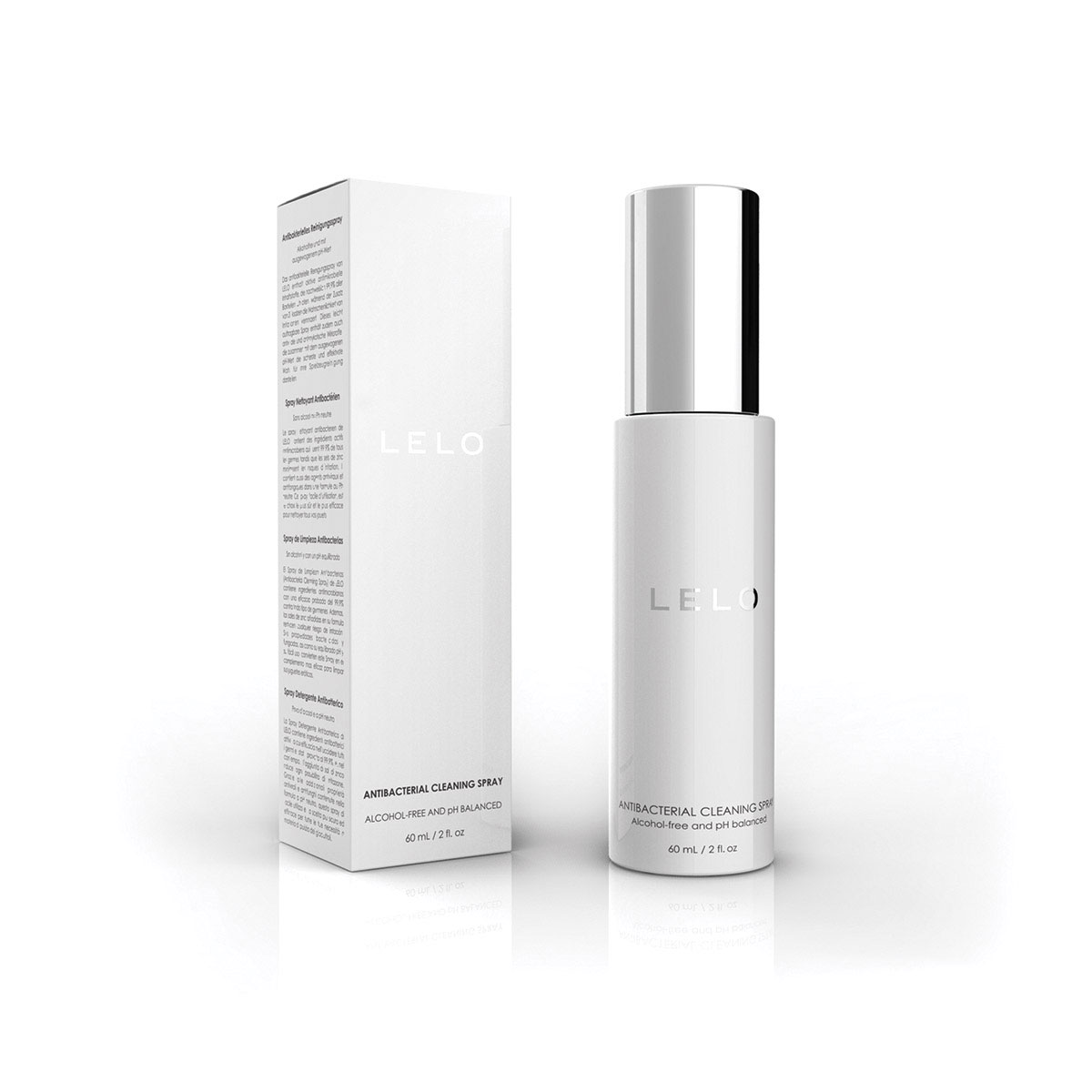
LELO is a Swedish luxury sexual wellness brand known for body-safe silicone pleasure products, elevated design, and category-defining technology. If a shopper is asking what is lelo or what is a lelo, the simplest answer is that LELO is a premium brand making vibrators, sonic stimulators, prostate toys, condoms, kegel exercise devices, dildos, vibrators, air tech clitoral toys, lube, and other sexual wellness self care products designed to feel more luxurious, more thoughtfully engineered, and more giftable than generic alternatives.

Where Can I Find LELO Official Products?

Shoppers looking for lelo official products usually want authentic inventory, current models, and access to the most recognized lines in the brand. A strong lelo store experience should make it easy to compare clitoral, internal, couples, and prostate options, while also helping customers watch for a lelo sale or browse the wider catalog of premium lelo products.

What Are the Best LELO Toys Right Now?

The best lelo toys depend on the kind of stimulation a shopper wants, but the brand’s strongest names remain SONA, SONA Cruise, ORA 3, GIGI 2, MONA 2, LIV 2, HUGO 2, and HEX. Some buyers want sonic clitoral pleasure, some want oral-inspired stimulation, some want precision G-spot pressure, and some want prostate or couples-focused play. That variety is part of why LELO remains one of the most searched premium sex toy brands.

Is LELO Worth the Price?

For many shoppers, yes. LELO luxury sex toys are usually worth the price when the buyer values design, body-safe materials, waterproof construction, rechargeability, quieter motors, and product specialization that goes beyond cheap mass-market vibration. The brand’s long track record, patented technology, and premium finish help justify the investment for customers who want something that feels more refined and more durable.

Which LELO Vibrator Is Best for Beginners?

A beginner-friendly lelo vibrator depends on whether the shopper wants clitoral, internal, or dual-purpose stimulation. Lelo liv is a strong versatile option for many people because it can work externally or internally, while SONA appeals to shoppers who want clitoral focus and GIGI 2 works well for shoppers who want targeted internal pressure. The best beginner choice depends on anatomy, sensitivity, and how focused or flexible the shopper wants the toy to be.

How Does LELO Fit Sexual Wellness?

LELO fits sexual wellness because the brand pairs pleasure with body-safe construction, comfort-aware design, and long-term usability. These are not products positioned as cheap thrills. They are designed to support self-knowledge, pleasure confidence, body awareness, and more intentional solo or partnered exploration.

Shop Top-Selling LELO Products

These favorites are frequently searched and consistently loved. Each link opens a live in-store search so shoppers land on your current inventory.

Find the Right LELO for You

For oral-inspired sensation: Lelo Sona and Lelo Sona Cruise for sonic clitoral stimulation.

For oral-inspired sensation: explore Lelo Ora 3 if rhythmic tongue-like stimulation is the real goal.

For internal precision: choose Lelo Gigi 2 for focused G-spot targeting or Lelo Mona 2 for a fuller curved feel.

For flexible all-around use: try Lelo Liv 2 if you want one LELO toy that can work externally or internally.

For prostate and couples play: browse Lelo Hugo 2.

For discreet luxury: consider Lelo Mia 3.

LELO Shopper Language

These are real shopper-style searches this page is already found for and they help show how people actually look for the LELO line: lelo, lelo sale, lelo vibrator, lelo for her, lelo vibrators, lelo toys, lelo sex toys, lelo sex toy, lelo liv, lelo adult toys, lelo toy, lelo products, lelo dildo, what is lelo, lelo official, lelo store, lelo originals, best lelo toys, lelo luxury sex toys, lelo brand, lelo company, what is a lelo.

plenty of LELO to pick from. pick more than one.

LELO for your sexual wellness journey of self or partner exploration

Let's Talk About + What Else Is Out There

Learn more about what each product does, why, and how, and more . . .

LELO
for Your Sexual Wellness Journey

Find something for her

Her Vibrators® is the trusted destination for women’s pleasure and wellness. From your first vibrator to luxury couples’ toys, Her Vibrators leads with quality, care, and confidence.

Communication challenges between couples are rarely caused by a lack of care. More often, they stem from uncertainty about how to begin certain conversations without creating discomfort or misunderstanding. Purchasing something from the department can provide a natural, non-confrontational way for couples to open communication that might otherwise feel difficult to initiate.

The department offers a shared point of focus that removes the pressure of personal critique. Instead of conversations beginning with assumptions or unmet expectations, couples are able to talk about interests, curiosity, and perspective through the lens of choice. This shift makes communication feel exploratory rather than corrective.

When couples browse the department together, the experience itself becomes a form of dialogue. Discussing what stands out, what feels familiar, or what feels unfamiliar encourages conversation without forcing conclusions. Even differing reactions can become productive discussion points when framed around shared exploration.

One of the strengths of using the department as a communication tool is timing. These conversations often occur during calm, intentional moments rather than periods of stress. Because the discussion is anchored in curiosity rather than conflict, partners are more receptive and less defensive.

The act of purchasing from the department also introduces structure to communication. Rather than abstract discussions, couples have something tangible to reference. This helps clarify thoughts and reduces the risk of misinterpretation, especially when discussing preferences, comfort levels, or shared interests.

Importantly, communication opened through the department does not require immediate action. Couples can talk, reflect, and revisit ideas without pressure. This removes fear around “saying the wrong thing” and allows conversations to evolve naturally over time.

Repeated interactions like this help normalize open dialogue. When couples successfully communicate around choices within the department, they build confidence in their ability to discuss other topics as well. The department becomes associated with understanding rather than tension.

The flexibility of the department also supports different communication styles. Some people process verbally, while others prefer reflection. Shared exploration allows both approaches to coexist, reinforcing mutual respect and patience.

As communication improves, couples often notice benefits beyond the initial conversation. Discussing options within the department can lead to broader conversations about routines, values, and evolving priorities. These discussions deepen connection without feeling forced.

Many couples find that once communication opens through the department, it becomes easier to explore related areas of interest together. Departments like Self-Care often extend conversations into wellbeing and balance, while Sexy Clothes can support dialogue around self-expression and confidence.

Another advantage of communication initiated through the department is neutrality. Because the department serves as a shared external reference, neither partner is positioned as “right” or “wrong.” This equality strengthens trust and reduces power imbalances during discussion.

Over time, couples may begin to view the department as a safe space for conversation. Knowing that dialogue can occur without judgment encourages openness and honesty, which are essential for long-term connection.

The communication benefits of the department are not limited to one stage of a relationship. New couples can use it to learn about one another, while long-term partners may use it to reconnect or adapt to change. The department evolves alongside the relationship.

By framing communication around shared choice rather than personal demand, the department helps couples practice listening and empathy. These skills extend far beyond purchasing decisions and support healthier communication overall.

Ultimately, purchasing something from the department opens communication because it replaces pressure with curiosity. It invites dialogue that feels intentional, respectful, and sustainable, reinforcing connection through conversation rather than conflict.

Many shoppers are surprised by how meaningful a purchase from the department feels after the decision is made. This reaction is not accidental. Unlike routine purchases driven by necessity or convenience, choices made within the department are often connected to reflection, curiosity, or personal intention. That emotional context fundamentally changes how the purchase is experienced.

The department tends to attract shoppers who are thinking rather than reacting. Whether browsing casually or purchasing with purpose, people usually arrive at this department during moments of awareness. They may be reflecting on a relationship, considering personal growth, or simply allowing themselves to explore something that has captured their interest. That mindset creates emotional weight before the purchase ever occurs.

Because the department is not rooted in urgency, decisions made here often feel deliberate. Shoppers take time to consider what resonates, what aligns with their values, and what feels appropriate for where they are right now. This slower pace increases emotional investment, which naturally leads to a stronger sense of meaning.

Another reason purchases from the department feel meaningful is that they often involve vulnerability, even if only privately. Acknowledging interest or curiosity requires honesty. Making that acknowledgment through a purchase can feel like a quiet affirmation of self-awareness, which many people experience as grounding and validating.

When the purchase from the department is intended for someone else, the meaning often deepens further. Choosing something for a partner or shared experience requires empathy and consideration. The buyer must think beyond their own preferences and consider how the other person might feel, interpret, or engage with the choice. That emotional labor becomes part of the value.

Recipients often sense this intention. Even without explicit explanation, the care behind a purchase from the department is usually recognizable. The item becomes a symbol of attention rather than a generic gesture, which strengthens emotional connection.

Meaning also develops because purchases from the department are frequently revisited mentally. People remember why they chose something, what they were feeling at the time, and what the decision represented. These memories reinforce significance long after the transaction itself.

The flexibility of the department plays an important role as well. Because the department does not impose a single narrative or outcome, shoppers are free to define what the purchase represents. For some, it may symbolize curiosity. For others, communication, learning, or self-expression. This autonomy allows meaning to form organically rather than being prescribed.

Over time, the meaning attached to purchases from the department can evolve. What began as a simple exploration may later represent growth, alignment, or deeper understanding. The item becomes a reference point — a reminder of a moment when the shopper chose awareness over autopilot.

This sense of meaning often extends into how shoppers engage with other areas of the site. After experiencing intentional decision-making in the department, many people approach related departments with greater clarity. Exploring Self-Care may feel like a natural extension of personal intention, while browsing Sexy Clothes may reflect evolving confidence or self-expression.

The absence of pressure within the department also contributes to its emotional impact. When people do not feel rushed or judged, they are more likely to trust their instincts. That trust becomes part of the meaning of the purchase, reinforcing confidence in future decisions.

Importantly, the perceived meaning of a purchase from the department does not depend on scale. Small, exploratory choices can feel just as significant as larger ones if they align with personal intention. Meaning is created through awareness, not magnitude.

For returning shoppers, repeated meaningful experiences build a relationship with the department itself. It becomes associated with clarity, reflection, and thoughtful choice rather than stress or uncertainty. This positive association encourages continued engagement without pressure.

The department also supports meaning by accommodating change. As priorities and relationships evolve, the department remains relevant. Each visit is informed by new context, allowing purchases to reflect current values rather than outdated expectations.

Ultimately, purchases from the department feel more meaningful than expected because they intersect with attention. Attention to self, to others, and to the moment of choice transforms a simple purchase into something that resonates. The meaning does not come from what is bought, but from why and how the decision is made.

When shoppers engage with the department intentionally, the purchase becomes part of a larger narrative — one defined by awareness, empathy, and thoughtful engagement. That narrative is what gives the experience lasting significance.

Self-understanding is rarely formed through direct questioning alone. More often, it emerges through observation, reflection, and exposure to ideas that prompt internal response. Exploring the department creates a structured environment for this kind of self-discovery by allowing individuals to notice their reactions without pressure to explain or justify them.

The department invites exploration rather than evaluation. Instead of asking shoppers to make immediate decisions, it offers space to browse, pause, and reflect. This lack of urgency allows people to engage honestly with what captures their attention, what feels unfamiliar, and what does not resonate at all. Each of these responses provides insight.

One of the most valuable aspects of exploring the department is contrast. Seeing a range of options together highlights distinctions between comfort and curiosity, familiarity and novelty. These distinctions help individuals clarify preferences that may have remained undefined in more structured or outcome-driven settings.

Because exploration within the department is private and self-directed, it supports honesty. People are more likely to acknowledge genuine interest when there is no expectation to act. This honesty strengthens self-trust, which is foundational for confident decision-making both within and beyond the department.

Another important element of learning through the department is timing. Interests and priorities shift as people move through different phases of life. Revisiting the department over time allows individuals to observe these changes naturally. What resonates during one visit may feel irrelevant during another, and that difference itself becomes informative.

The department also supports self-learning by removing external comparison. Exploration happens on an individual timeline, without pressure to match trends or expectations. This autonomy encourages people to focus inward rather than outward, making the insights gained more personal and durable.

As individuals explore the department, they often begin to notice patterns in what draws their attention. These patterns may reflect deeper values such as curiosity, structure, creativity, comfort, or growth. Recognizing these tendencies helps people better understand how they relate to their environment and to others.

Self-awareness gained through the department often extends into communication. When people better understand their own preferences and boundaries, they are more equipped to articulate them clearly. This clarity reduces misunderstanding and supports healthier interpersonal dynamics.

For those in relationships, shared exploration of the department can deepen mutual understanding. Discussing what feels interesting or unfamiliar provides insight into how each person thinks and reflects. These conversations often reveal nuances that might not surface through direct questioning alone.

Exploration without obligation also reduces fear of making the wrong choice. Because engagement with the department does not require commitment, individuals can learn through observation alone. This low-stakes environment makes self-reflection accessible rather than intimidating.

As confidence grows, people often find that insights gained through the department influence how they engage with other areas of the site. Someone focused on balance and restoration may gravitate toward the Self-Care department, while someone exploring expression or identity may feel drawn to Sexy Clothes. Each department reinforces different aspects of self-understanding.

The department also supports learning by allowing people to revisit ideas without judgment. Interests that once felt uncertain may later feel aligned, while others may fade. This fluidity reinforces the idea that self-understanding is an ongoing process rather than a fixed destination.

Importantly, learning through the department does not require external validation. People can gain insight simply by paying attention to their own reactions. This internal focus strengthens autonomy and reduces reliance on outside approval.

Over time, repeated exploration builds familiarity and confidence. The department becomes a reference point — a place where individuals can check in with themselves and observe how their perspectives evolve. This ongoing relationship supports long-term self-awareness.

Self-learning through exploration also encourages patience. Rather than rushing toward conclusions, individuals are able to sit with curiosity and uncertainty. This patience often leads to deeper, more accurate insights than forced introspection.

Ultimately, exploring the department helps people learn more about themselves because it invites attention. Attention to curiosity, comfort, and alignment naturally produces understanding. When people are given space to observe without pressure, self-knowledge follows.

By engaging with the department intentionally, individuals transform exploration into insight. The department becomes not just a place to browse, but a tool for reflection — one that supports self-awareness through curiosity rather than expectation.

When people shop within the department, the most important factor influencing satisfaction is rarely the specific item chosen. Instead, it is the mindset and intention behind the selection that determines how the purchase is experienced over time. Thoughtful selection transforms the department from a collection of options into a space for intentional decision-making.

The department encourages shoppers to slow down. Unlike impulse-driven categories, this department naturally invites reflection. People often arrive with questions, curiosity, or a desire to explore something new. That reflective entry point makes the process of choosing just as significant as the outcome.

Thoughtful selection within the department begins with awareness. Shoppers consider why something stands out, what feels aligned, and what fits their current comfort level. This internal check-in reduces the likelihood of regret and increases long-term satisfaction, regardless of the specific item chosen.

Another reason thoughtful selection matters so deeply in the department is that purchases here are often connected to emotion rather than necessity. When decisions are emotionally informed, rushing can lead to misalignment. Taking time to choose allows emotion and logic to work together instead of competing.

When shoppers prioritize thoughtful selection in the department, they are more likely to trust their decision afterward. Confidence in the process leads to confidence in the purchase. Even if preferences evolve later, the original choice still feels valid because it was made with intention.

The process of choosing thoughtfully also reduces comparison anxiety. Instead of evaluating options based on perceived standards or trends, shoppers focus inward. This internal focus is particularly important in the department, where personal context matters more than external benchmarks.

Thoughtful selection benefits shared experiences as well. When a purchase from the department is intended for a partner or shared use, the process of choosing together becomes part of the value. Discussing options, preferences, and comfort levels strengthens communication and mutual understanding.

In these situations, the item itself becomes secondary to the shared intention behind it. The department supports this dynamic by offering breadth without pressure, allowing each person to contribute perspective without needing to persuade or compromise prematurely.

Over time, shoppers who practice thoughtful selection within the department develop a stronger sense of self-trust. They become more comfortable making decisions based on alignment rather than urgency. This confidence often extends into other areas of life, reinforcing the value of intentional choice.

The importance of thoughtful selection is also evident in how shoppers engage with other departments after spending time in the department. For example, someone who has learned to choose intentionally may approach the Self-Care department with clearer priorities, or explore Sexy Clothes with greater confidence in personal expression.

Thoughtful selection also minimizes the fear of making the “wrong” choice. When people understand that the value lies in alignment rather than perfection, decision-making becomes less stressful. The department supports this mindset by offering exploration without consequence.

Another advantage of thoughtful selection in the department is adaptability. Because choices are made based on present context, they remain relevant even as circumstances change. The purchase reflects who the shopper was at the moment of decision, which gives it lasting legitimacy.

This approach also supports sustainability in decision-making. Rather than cycling through regret or replacement, shoppers who choose thoughtfully tend to engage more responsibly and deliberately. The department becomes associated with satisfaction rather than excess.

Importantly, thoughtful selection does not require extensive knowledge. The department rewards awareness more than expertise. Paying attention to comfort, curiosity, and alignment is often more effective than overanalyzing features or specifications.

As shoppers become more familiar with the department, thoughtful selection becomes intuitive. What once required deliberation begins to feel natural. This ease reinforces confidence and encourages continued engagement without pressure.

Ultimately, thoughtful selection matters more than the item itself because it shapes the entire experience. In the department, the act of choosing is an expression of intention, awareness, and respect for personal context.

When shoppers prioritize thoughtful selection within the department, they create purchases that feel aligned rather than accidental. That alignment is what leads to lasting satisfaction, meaningful engagement, and trust in future decisions.

Emotional connection thrives when people feel understood, respected, and free from pressure. One of the most common challenges in relationships is navigating shared interests without unintentionally creating expectations or obligations. Items from the department can help strengthen emotional connection precisely because they encourage engagement without demanding immediate outcomes.

The department offers a framework for connection that is based on curiosity rather than requirement. When couples or individuals explore this department, the focus naturally shifts toward shared interest and reflection. This shift allows people to engage with one another emotionally without the weight of performance or obligation.

Because the department does not prescribe a single way to engage, it supports autonomy on both sides. Each person is free to express interest, hesitation, or uncertainty without needing to justify their response. This freedom is essential for emotional safety, which is a foundational element of genuine connection.

Strengthening emotional connection often begins with conversation rather than action. Items from the department serve as conversation anchors, giving people something external to reference. This reduces the intensity that can accompany more direct or emotionally charged discussions.

When conversations are anchored in shared exploration of the department, they tend to feel collaborative rather than evaluative. Instead of questioning intentions or outcomes, people are able to talk about perspective, comfort, and curiosity. This creates an environment where emotional closeness can develop organically.

Another reason the department supports emotional connection without creating expectations is pacing. Engagement happens at the speed chosen by the individuals involved. There is no implied timeline or obligation to progress beyond conversation, which reduces anxiety and resistance.

This pacing is especially important in long-term relationships, where expectations can quietly accumulate over time. By returning to shared exploration within the department, couples can reconnect through curiosity instead of assumption. The department becomes a space for renewal rather than pressure.

Items from the department also help normalize emotional expression. Discussing interest or curiosity in a low-pressure context encourages honesty. People often find it easier to express thoughts when the conversation is framed around possibility rather than requirement.

Emotional connection is further strengthened when people feel seen. When a partner takes interest in exploring the department together, it communicates attention and care. This recognition reinforces emotional closeness even if no purchase is ultimately made.

Importantly, the absence of expectation does not reduce meaning. In fact, emotional connection often deepens when people know they are not being evaluated or pushed toward a specific outcome. The department supports this by allowing engagement to remain open-ended.

Many people notice that emotional connection built through the department carries into other areas of shared life. Conversations feel easier, listening becomes more attentive, and assumptions decrease. These shifts are subtle but cumulative.

This same dynamic often appears when people explore adjacent departments together. For example, browsing the Self-Care department can encourage discussions around balance and wellbeing, while exploring Sexy Clothes can support conversations about confidence and self-expression. Each department reinforces emotional connection through shared attention.

Items from the department also help individuals strengthen emotional connection with themselves. Engaging thoughtfully allows people to acknowledge curiosity or interest without self-judgment. This self-acceptance supports emotional wellbeing and reduces internal pressure.

When individuals feel emotionally grounded, they are better equipped to connect with others. The department supports this grounding by offering a space where reflection is encouraged and urgency is absent.

Over time, repeated low-pressure engagement with the department builds trust. People come to trust that connection can exist without expectation, and that curiosity does not require justification. This trust strengthens emotional bonds naturally.

The emotional connection supported by the department is sustainable because it is rooted in respect. Respect for boundaries, for pacing, and for individual perspective ensures that connection grows rather than strains.

Ultimately, items from the department strengthen emotional connection by creating opportunities for shared presence without pressure. They invite people to engage thoughtfully, listen attentively, and connect emotionally without attaching conditions.

When emotional connection is built on openness rather than expectation, relationships feel more resilient. The department supports this resilience by offering a space where connection can develop naturally, respectfully, and at its own pace.

People rarely return to a department repeatedly unless it provides value beyond a single transaction. The reason many shoppers continue returning to the department over time is that it consistently meets people where they are, rather than forcing them into a fixed narrative. Each visit offers relevance without expectation, which builds trust and familiarity.

The department supports return visits because it evolves alongside personal perspective. Interests, relationships, and priorities change, and the department accommodates those changes without requiring shoppers to abandon previous experiences. What resonated during one visit may differ during another, and that flexibility encourages continued engagement.

Another reason people return to the department is emotional safety. Shoppers learn that exploration here does not come with judgment or pressure. That sense of safety makes the department feel approachable, even during periods of uncertainty or transition.

Over time, familiarity with the department reduces decision fatigue. Returning shoppers understand the tone, structure, and intent of the department, which makes each visit feel easier than the last. This ease reinforces confidence and reduces hesitation.

The department also earns repeat engagement by supporting reflection rather than urgency. People are able to revisit ideas, preferences, and interests without feeling rushed. This slower pace allows meaning to develop naturally, which is why many shoppers associate the department with clarity rather than impulse.

Returning to the department often coincides with life transitions. Changes in relationships, routines, or self-understanding prompt people to reassess what feels aligned. Because the department does not impose rigid expectations, it remains relevant during these moments of reassessment.

Trust is another critical factor. Repeated positive experiences build trust in both the department and one’s own judgment. When shoppers feel confident that the department supports thoughtful exploration, they are more likely to return when curiosity arises again.

Many people also return to the department because it supports incremental exploration. There is no pressure to “complete” an experience in one visit. Each interaction can stand alone, making engagement sustainable over time.

As familiarity grows, shoppers often notice that their interactions with the department feel more intuitive. They understand what to look for, what questions to ask, and how to interpret their reactions. This growing fluency reinforces continued engagement.

Returning shoppers frequently extend their exploration into adjacent departments with greater confidence. After spending time in the department, many feel more comfortable browsing areas like Self-Care, where intentional choice supports wellbeing, or Sexy Clothes, where expression and confidence are central themes.

The department also remains relevant because it supports both individual and shared exploration. People return on their own to reflect, and they return with others to connect. This versatility allows the department to adapt to different relational contexts without losing coherence.

Another reason people return to the department is consistency. While interests may evolve, the department maintains a steady tone that emphasizes respect, curiosity, and autonomy. This consistency creates reliability, which encourages long-term engagement.

Over time, repeated interaction with the department often leads to greater self-confidence. Shoppers become more comfortable trusting their reactions and preferences. This internal confidence reduces reliance on external validation and supports healthier decision-making.

The department also supports return visits by acknowledging that exploration is cyclical. Curiosity may fade and return, and the department remains available whenever interest re-emerges. There is no penalty for stepping away or returning later.

Importantly, returning to the department does not require justification. People come back because it feels relevant, familiar, and aligned with their current mindset. This lack of obligation reinforces a positive relationship with the department.

As this relationship deepens, the department becomes more than a place to browse. It becomes a reference point for reflection, communication, and intentional choice. This role is what sustains long-term engagement.

Ultimately, people continue returning to the department because it offers continuity without stagnation. It evolves alongside the shopper while maintaining a stable foundation of trust, curiosity, and respect.

When a department consistently supports thoughtful exploration and personal alignment, it earns repeat visits naturally. The department achieves this by remaining flexible, welcoming, and relevant over time.

One of the most common barriers to exploration is the fear of commitment. Many people hesitate to engage with new ideas or categories because they worry that interest will be interpreted as obligation. The department helps remove that barrier by clearly functioning as a starting point rather than a final decision.

The department is structured around openness. It invites curiosity without requiring follow-through, explanation, or permanence. This framing is essential for people who want to explore thoughtfully without feeling rushed into conclusions or outcomes.

When individuals first encounter the department, the experience often begins with observation. Browsing alone, reading descriptions, or simply noticing what resonates allows engagement to remain internal. This internal exploration creates psychological safety, which is necessary for honest reflection.

Because the department does not impose urgency, people are free to disengage and return later. This flexibility reinforces the idea that exploration is allowed to happen in stages. Curiosity can exist without action, and action can be delayed without consequence.

Another reason the department works well as a starting point is that it accommodates uncertainty. People do not need to know what they are looking for in order to explore. The department supports discovery without requiring clarity upfront.

This lack of pressure is particularly important for individuals navigating change. During transitions — whether personal, relational, or emotional — people often seek understanding before commitment. The department offers a space where that understanding can develop organically.

Shared exploration within the department also benefits from this starting-point mindset. When two people browse together without expectations, conversation flows more naturally. The focus remains on curiosity and perspective rather than agreement or outcome.

By positioning itself as a starting point, the department encourages questions instead of answers. Questions like “What stands out?” or “What feels interesting right now?” replace pressure-driven discussions. This shift supports openness and reduces anxiety.

The department’s ability to function as a beginning rather than a conclusion also supports long-term engagement. People return knowing that each visit does not have to resolve anything. The department remains available whenever curiosity resurfaces.

For many shoppers, this approach reduces fear of making the wrong choice. When exploration is framed as a process rather than a test, decision-making becomes less intimidating. The department supports this by allowing reflection without consequence.

As individuals grow more comfortable with the department, they often gain confidence in their own pacing. They learn that they can explore, pause, and return as needed. This autonomy reinforces self-trust and reduces reliance on external validation.

The starting-point nature of the department also influences how shoppers engage with other areas of the site. After becoming comfortable exploring without pressure, many people feel more at ease browsing related departments such as Self-Care, where reflection and balance are central themes, or Sexy Clothes, where expression and confidence develop gradually.

Importantly, viewing the department as a starting point prevents over-identification with any single choice. People are less likely to feel boxed in by their decisions and more likely to see exploration as fluid. This perspective supports emotional flexibility.

Over time, repeated low-pressure engagement with the department builds familiarity without expectation. The department becomes a known space — one that invites return without obligation. This reliability encourages continued interaction.

The starting-point approach also reduces internal conflict. When people no longer feel they must justify interest or commit immediately, exploration becomes enjoyable rather than stressful. The department supports this shift by maintaining an open, respectful tone.

Another benefit of this approach is clarity. As people revisit the department over time, patterns begin to emerge. Preferences become clearer not through forced decision-making, but through repeated observation.

Ultimately, the department succeeds as a starting point because it respects autonomy. It allows people to engage on their own terms, at their own pace, and for their own reasons.

When exploration is framed as a beginning rather than a commitment, people feel freer to engage honestly. The department supports this freedom by offering space, flexibility, and permission to explore without pressure.

This is why the department remains approachable over time. It does not demand certainty. It invites curiosity. And it allows individuals and relationships to move forward naturally, when and if they are ready.

You May Want

You May Love

1 Item $154.06
Loadding...